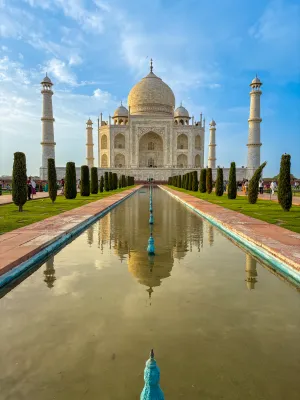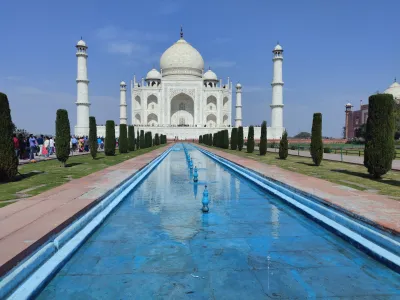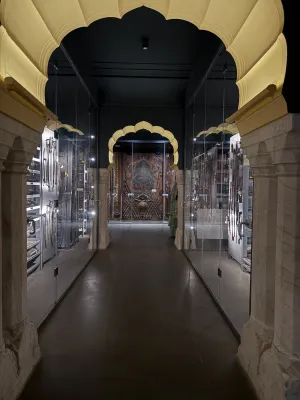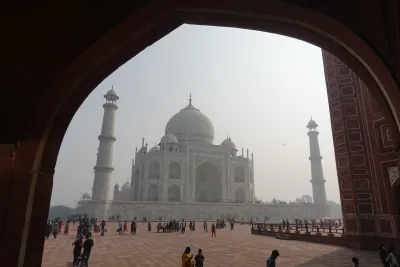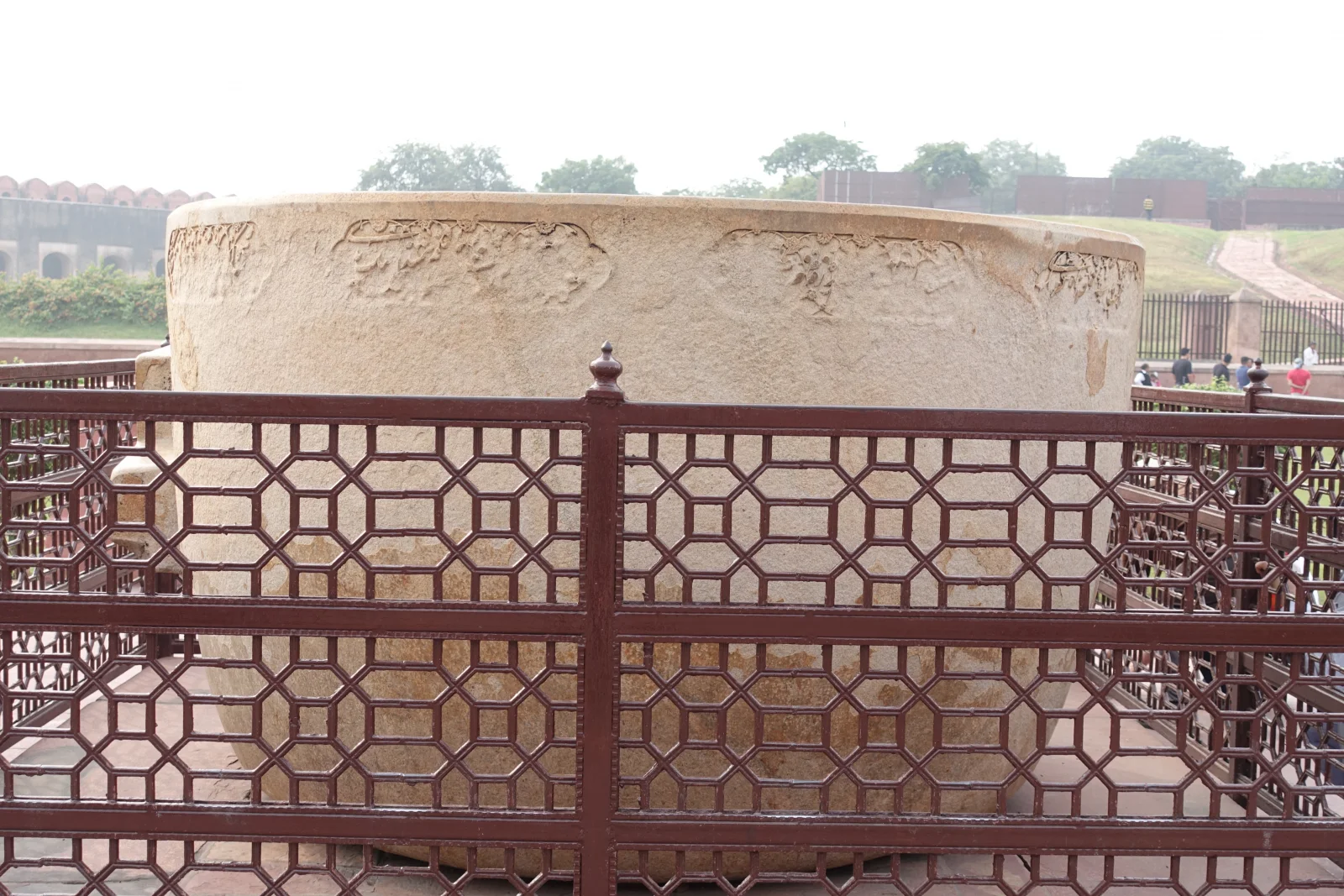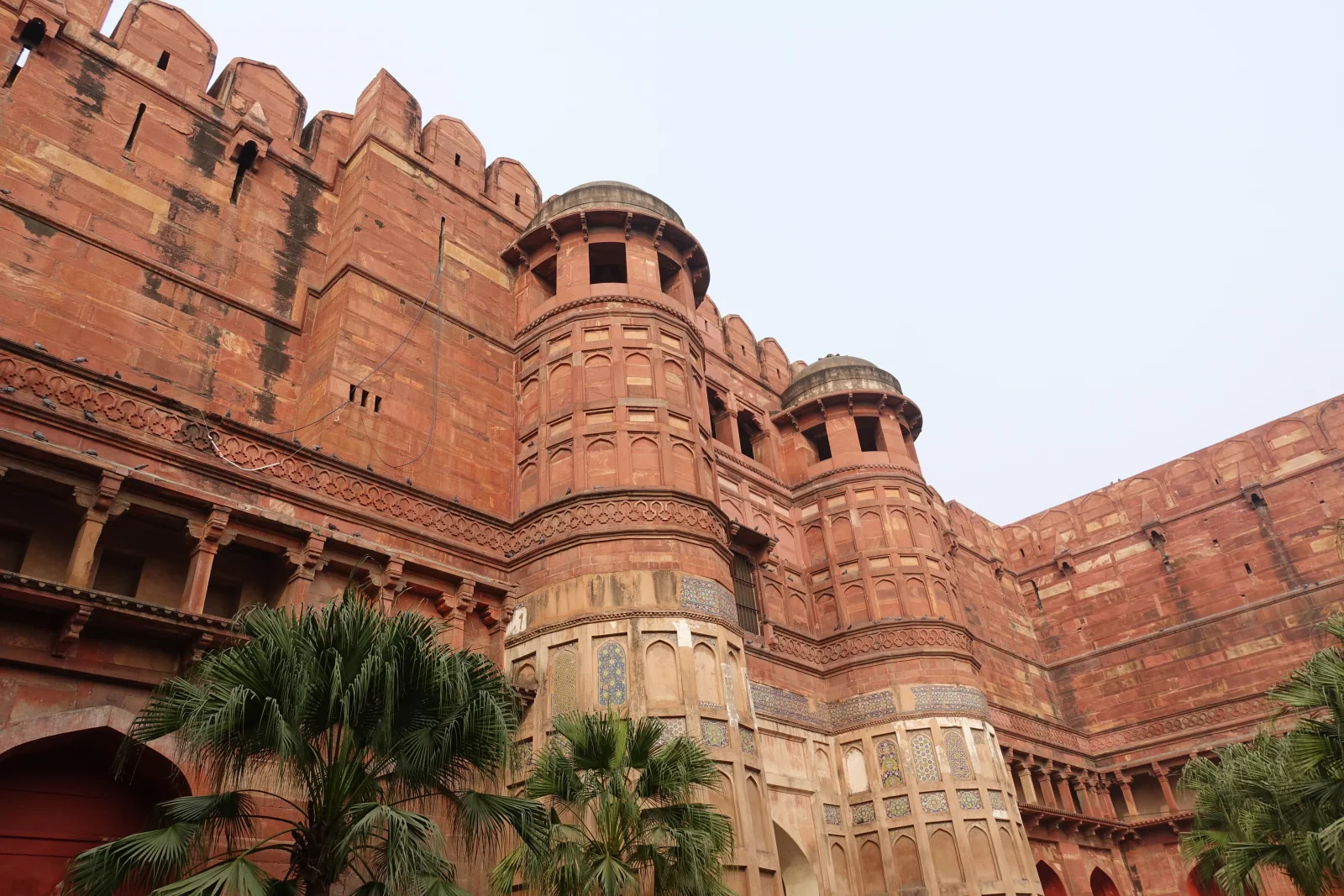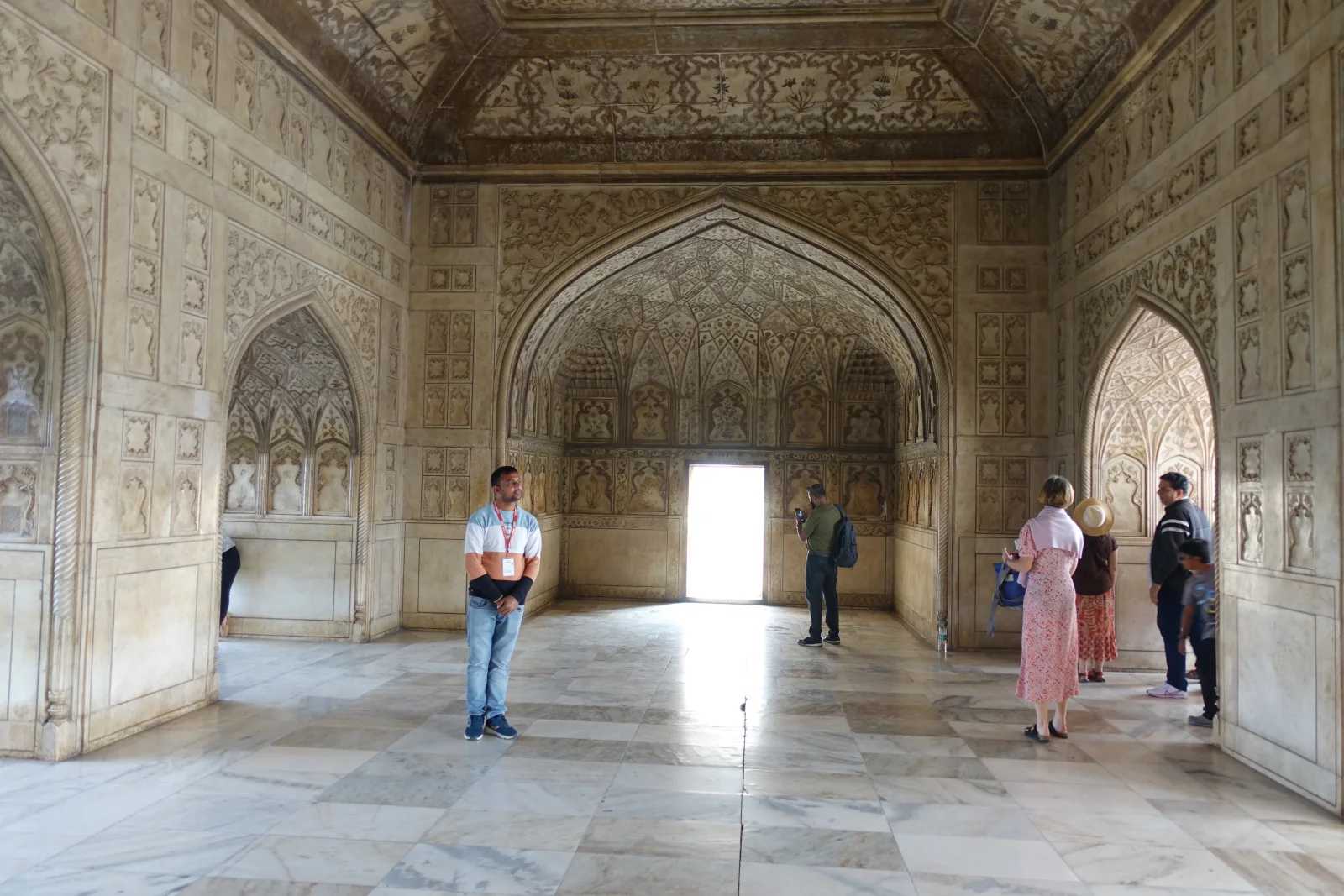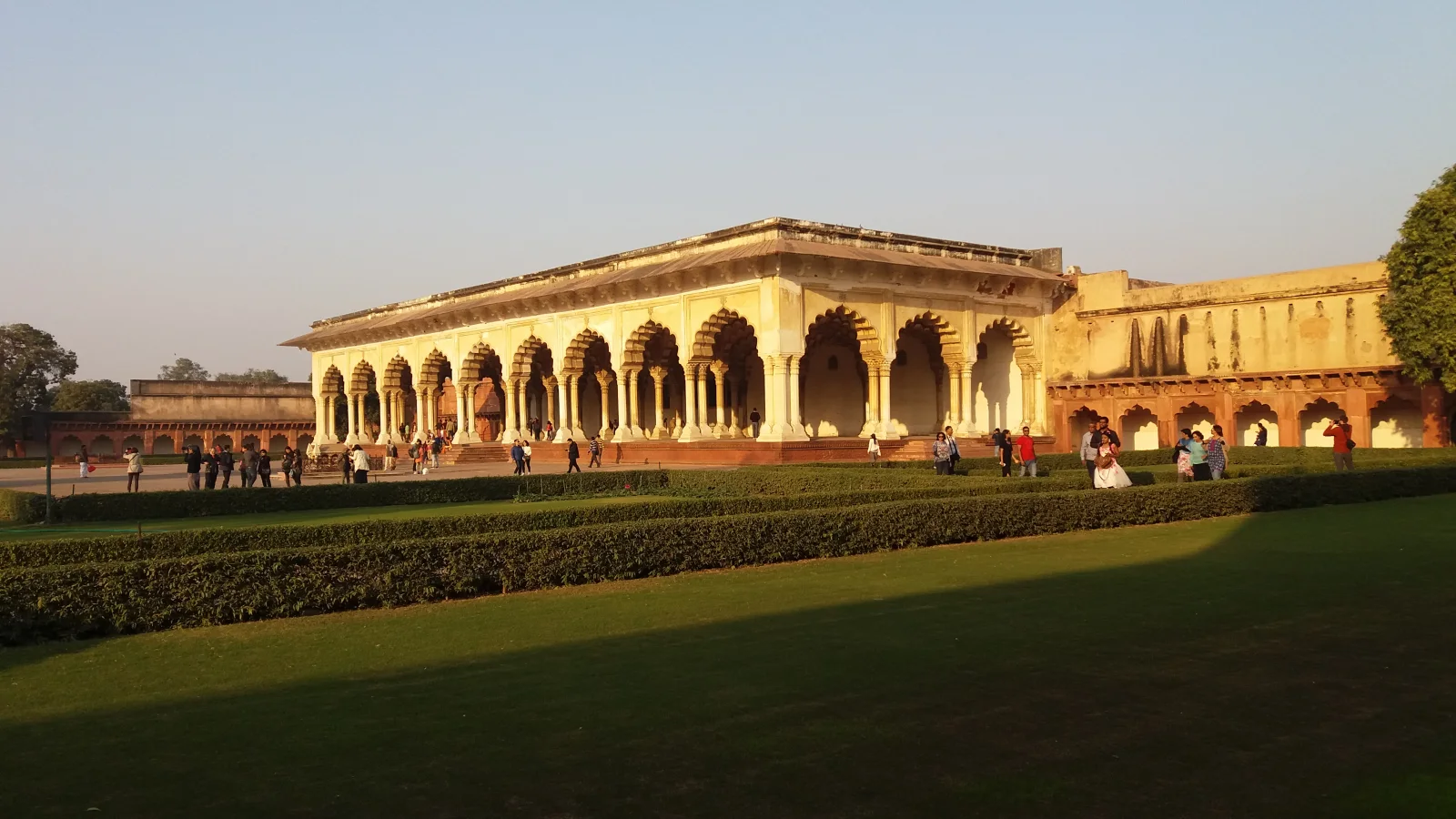
Agra Fort stands on the bank of the Yamuna river, about 2.5 km from the Taj Mahal. For almost a century it was the main residence of the Mughal emperors, and together with the Taj Mahal it is one of the two UNESCO World Heritage Sites in the city (listed in 1983).
History:
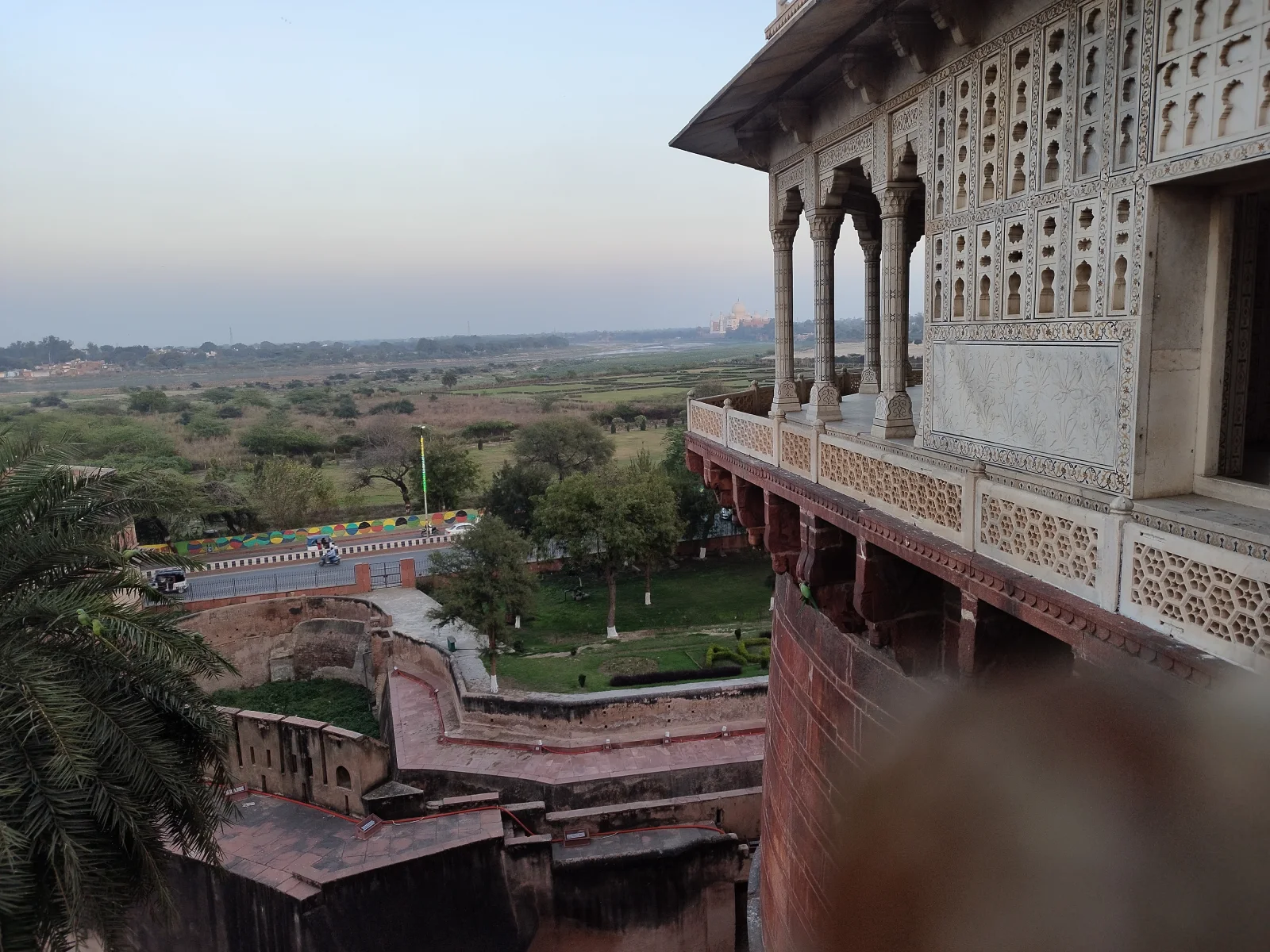
Emperor Akbar rebuilt the old brick fort in red sandstone from 1565, giving it its massive walls, about 2.5 km long, and its moat. His grandson Shah Jahan, the builder of the Taj Mahal, replaced several of the sandstone buildings with elegant white marble palaces. After Aurangzeb took the throne, Shah Jahan was kept a prisoner in the fort until his death in 1666 – according to tradition, in the Musamman Burj, from where he could see the tomb of his wife across the river.
What to see inside:
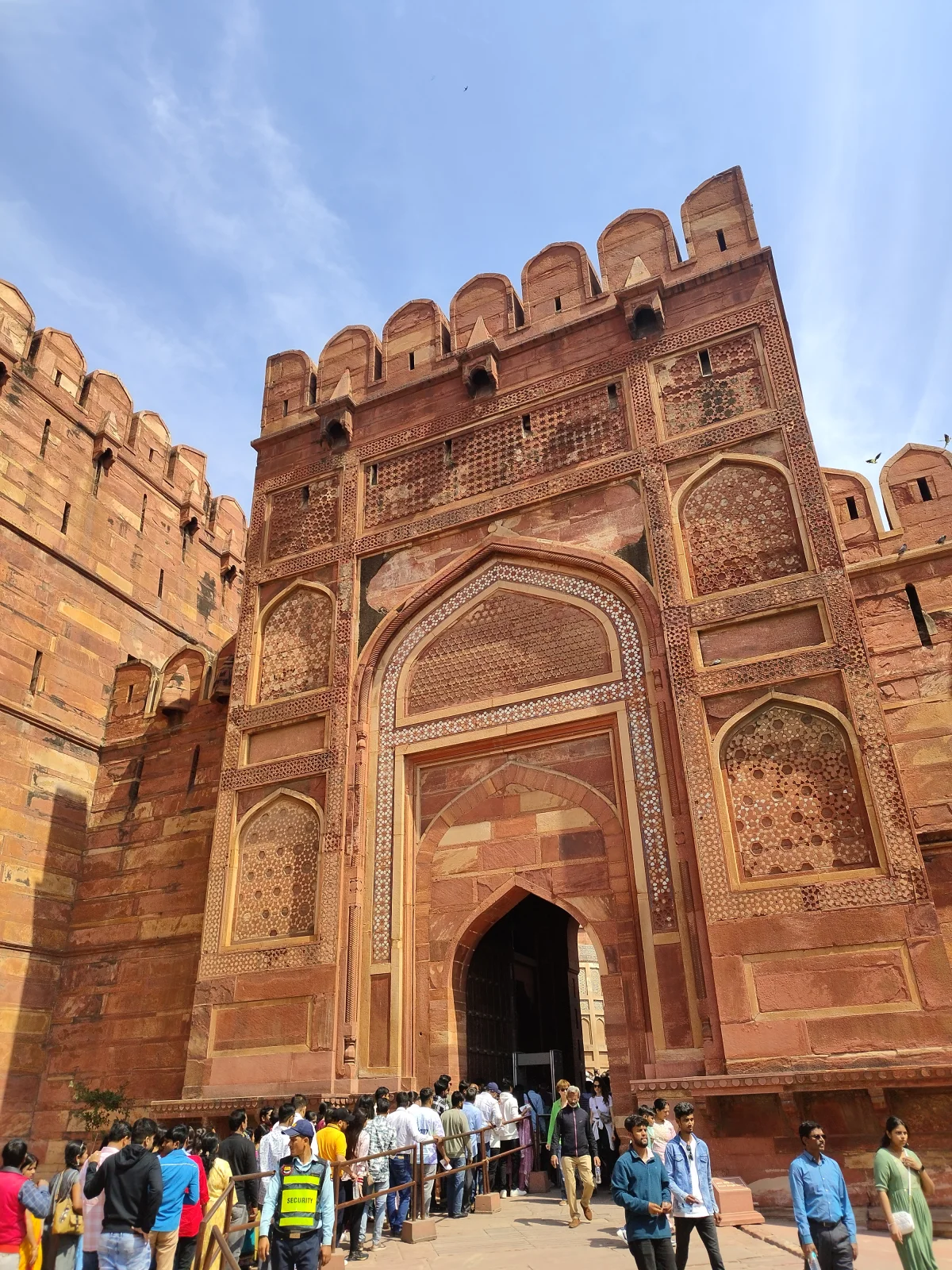
- Amar Singh Gate, the visitors' entrance, with its winding approach built for defence.
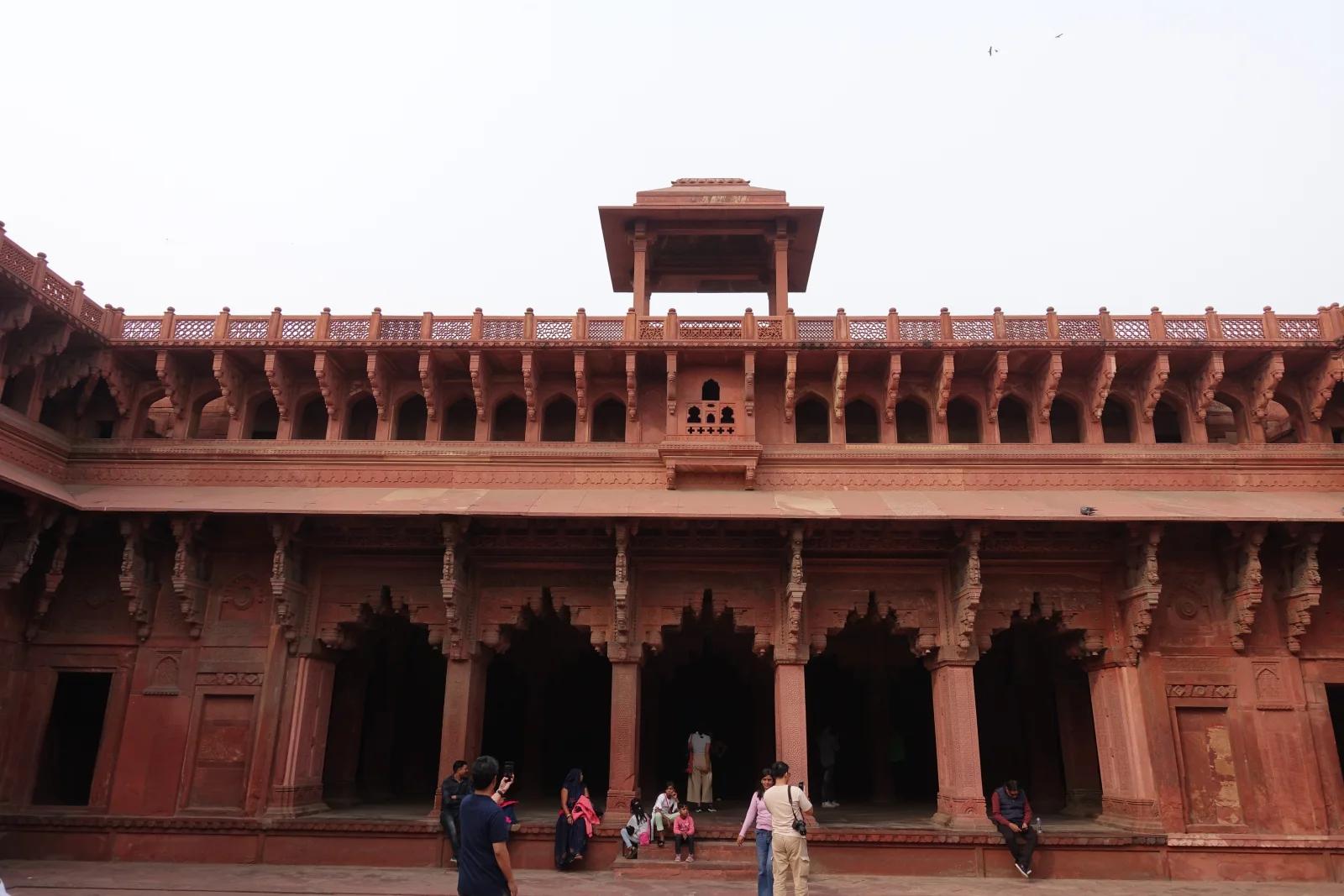
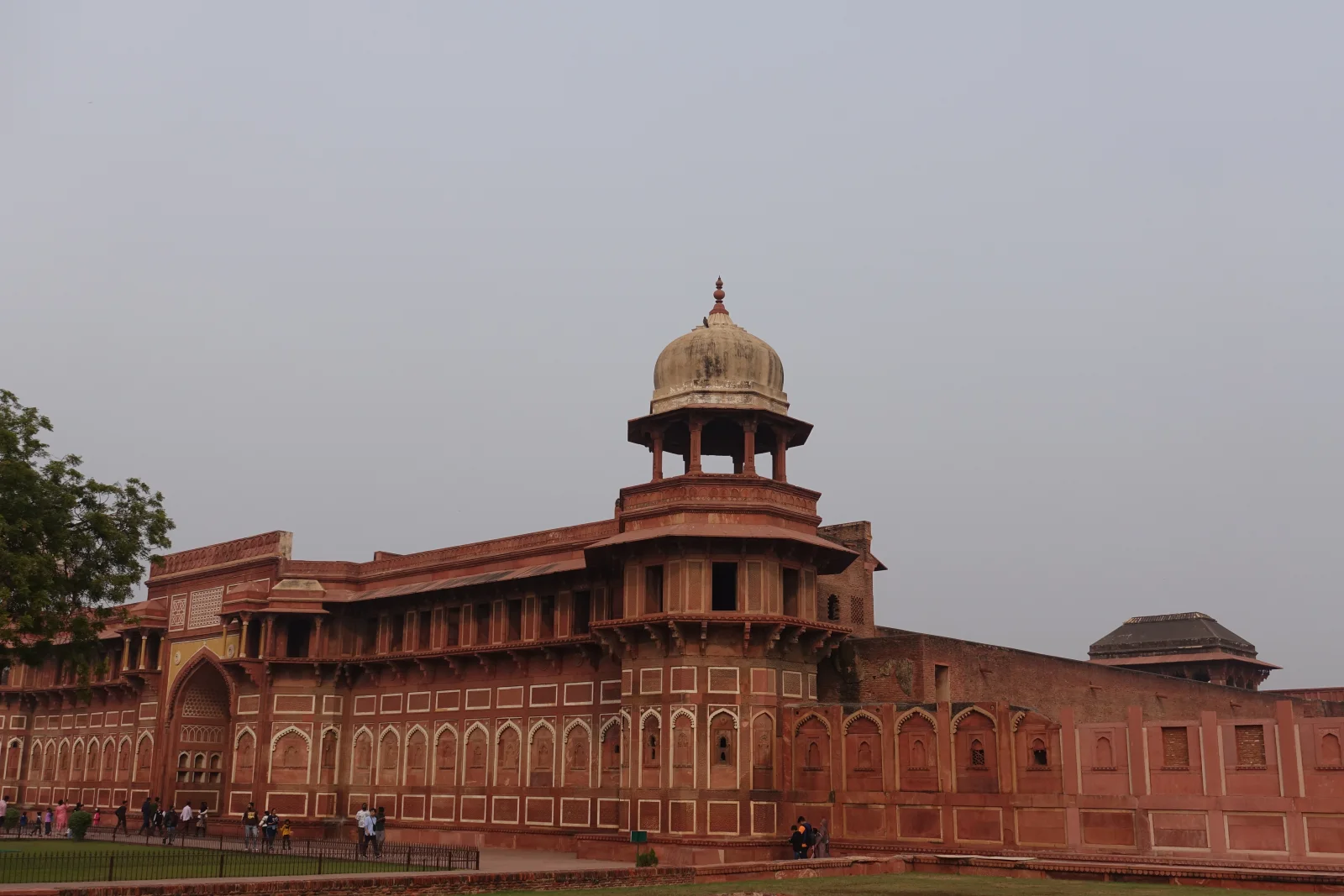
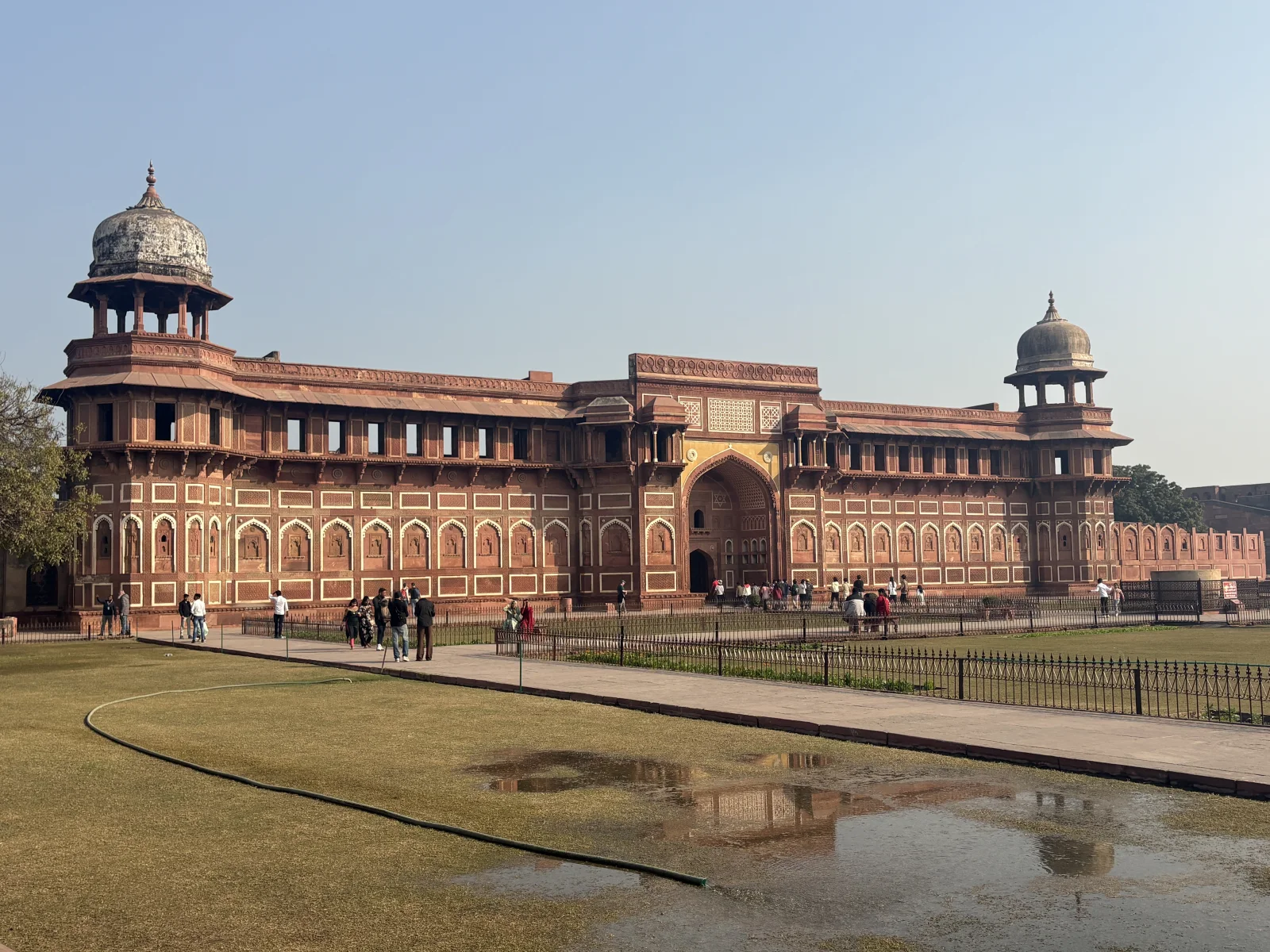
- Jahangiri Mahal, a large palace in red sandstone that mixes Hindu and Central Asian styles.
- Diwan-i-Am, the Hall of Public Audience, where the emperor met his subjects.
- Diwan-i-Khas, the Hall of Private Audience for ministers and guests.
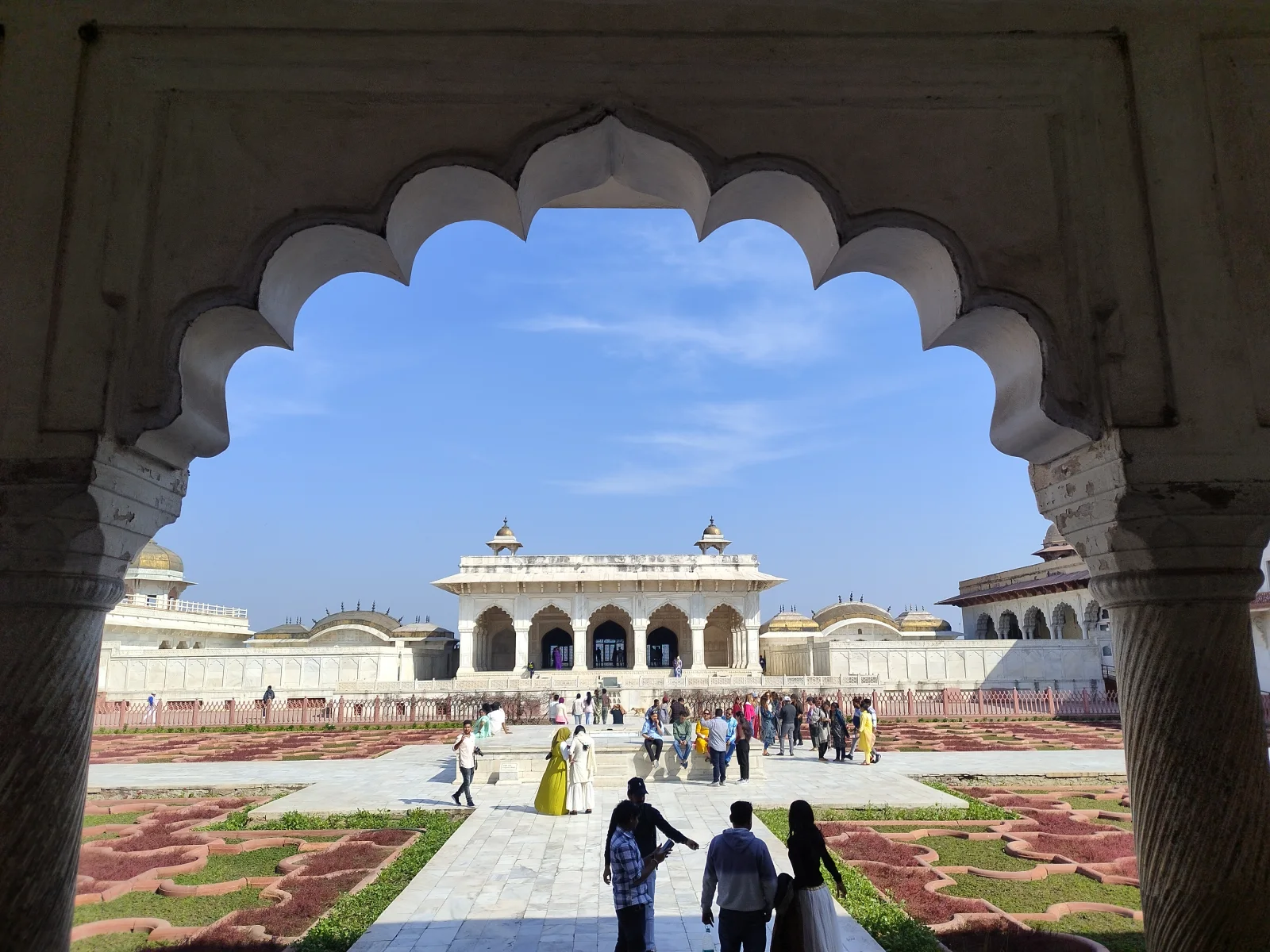
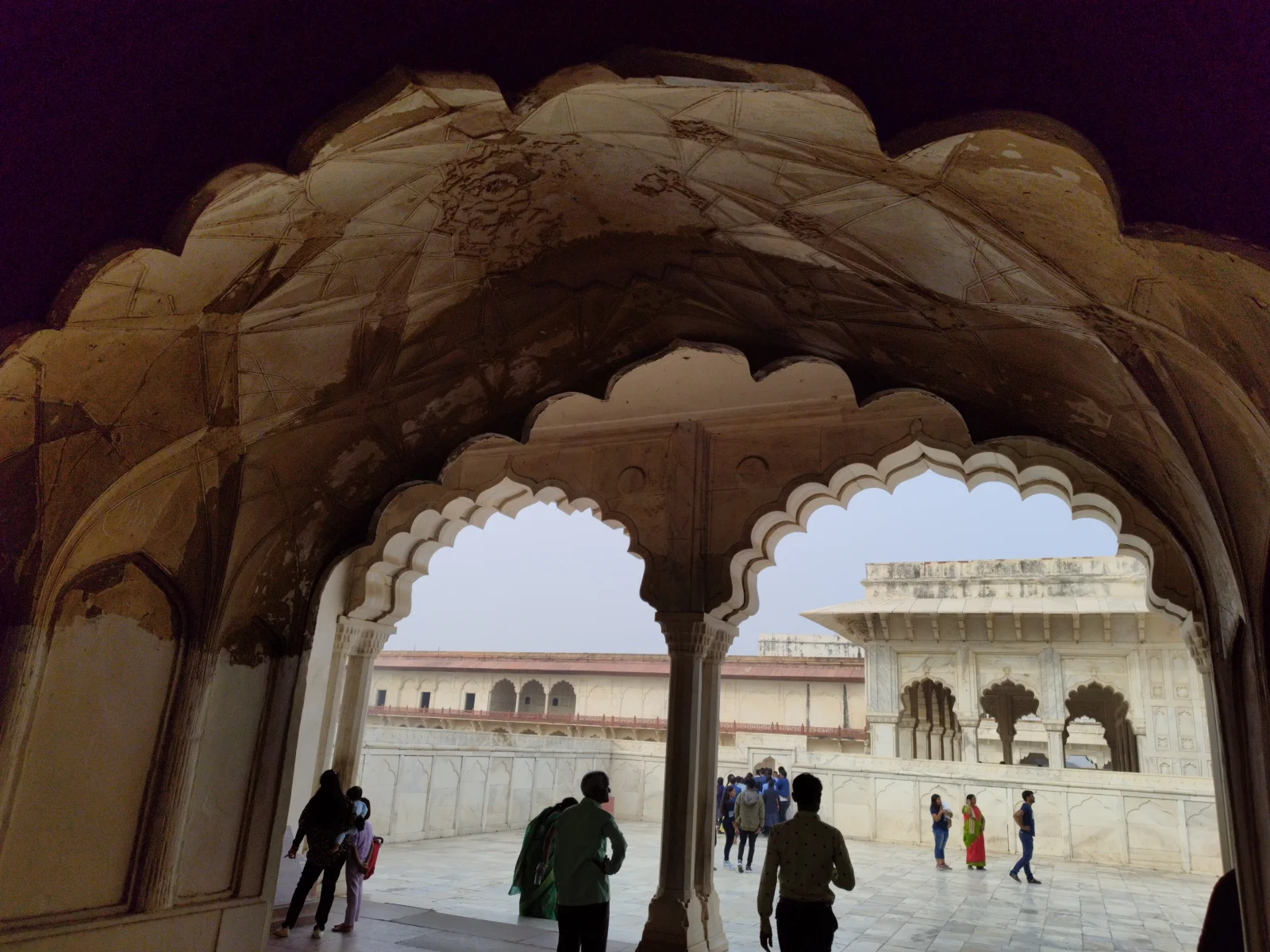
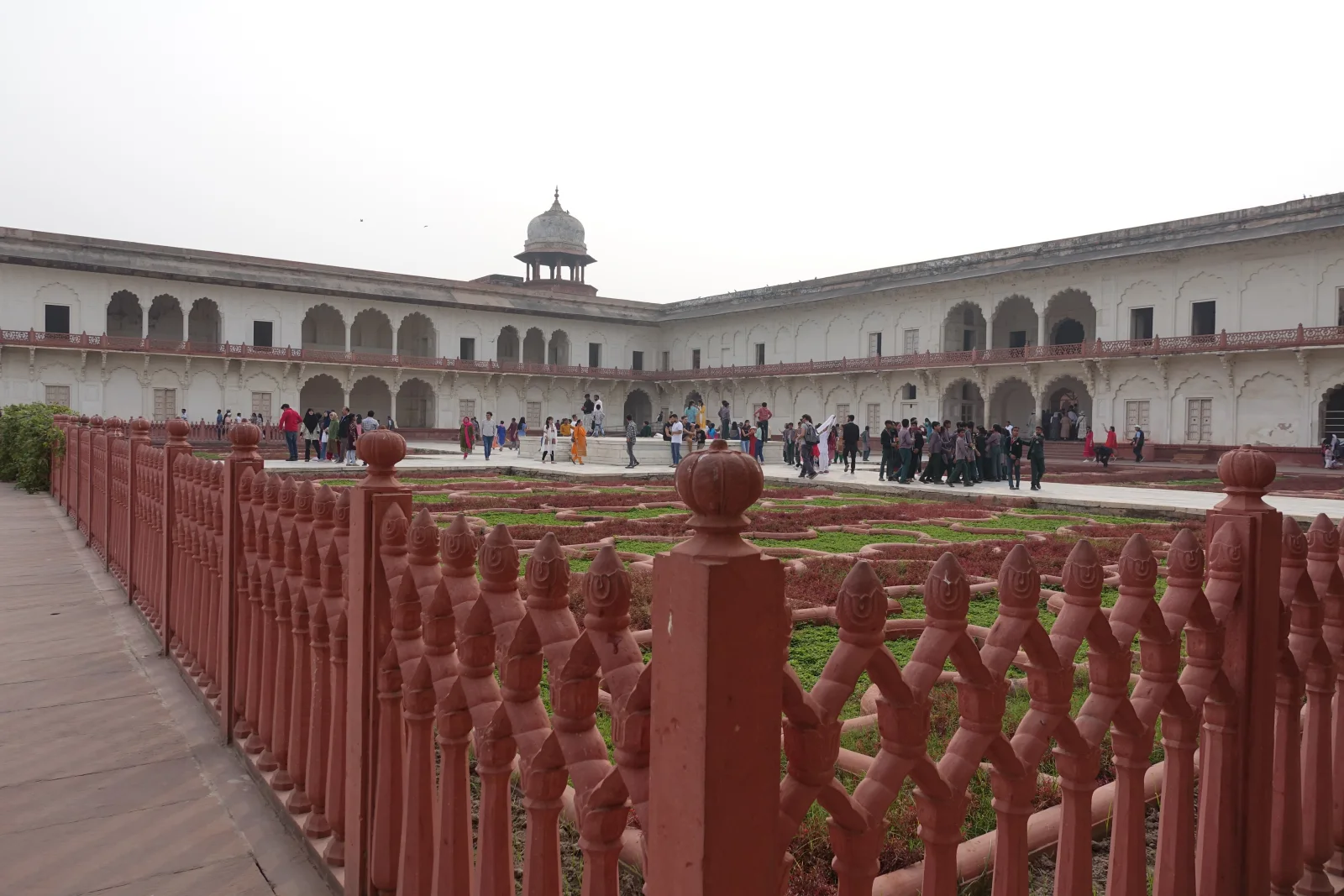
- Khas Mahal and the Anguri Bagh (grape garden), Shah Jahan's marble apartments and garden.
- Musamman Burj, the octagonal marble tower with a view of the Taj Mahal.
Good to know:
Agra Fort is visited on almost every Golden Triangle tour, usually on the same day as the Taj Mahal. Unlike the Taj Mahal, it is open on Fridays. Allow about one and a half hours.