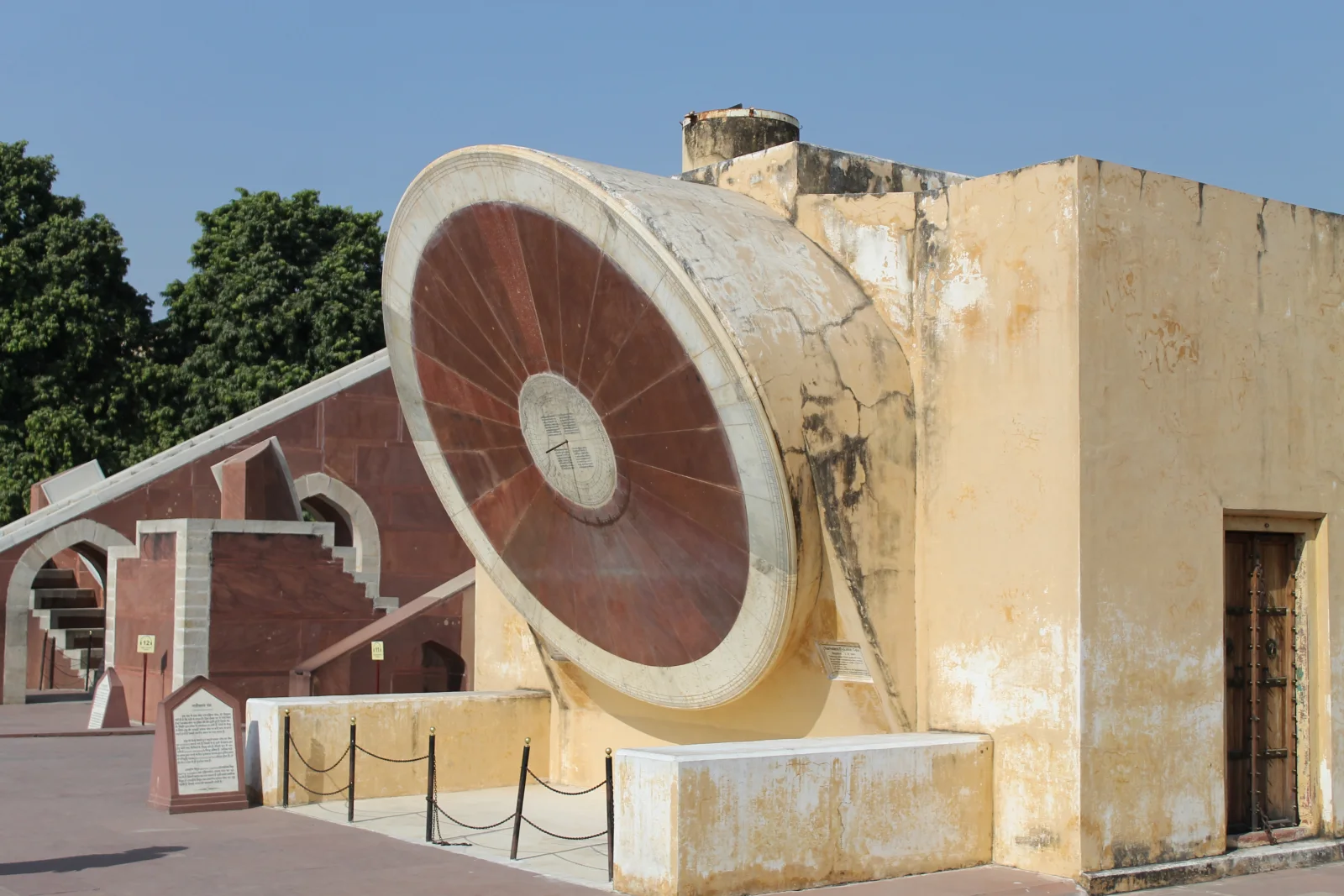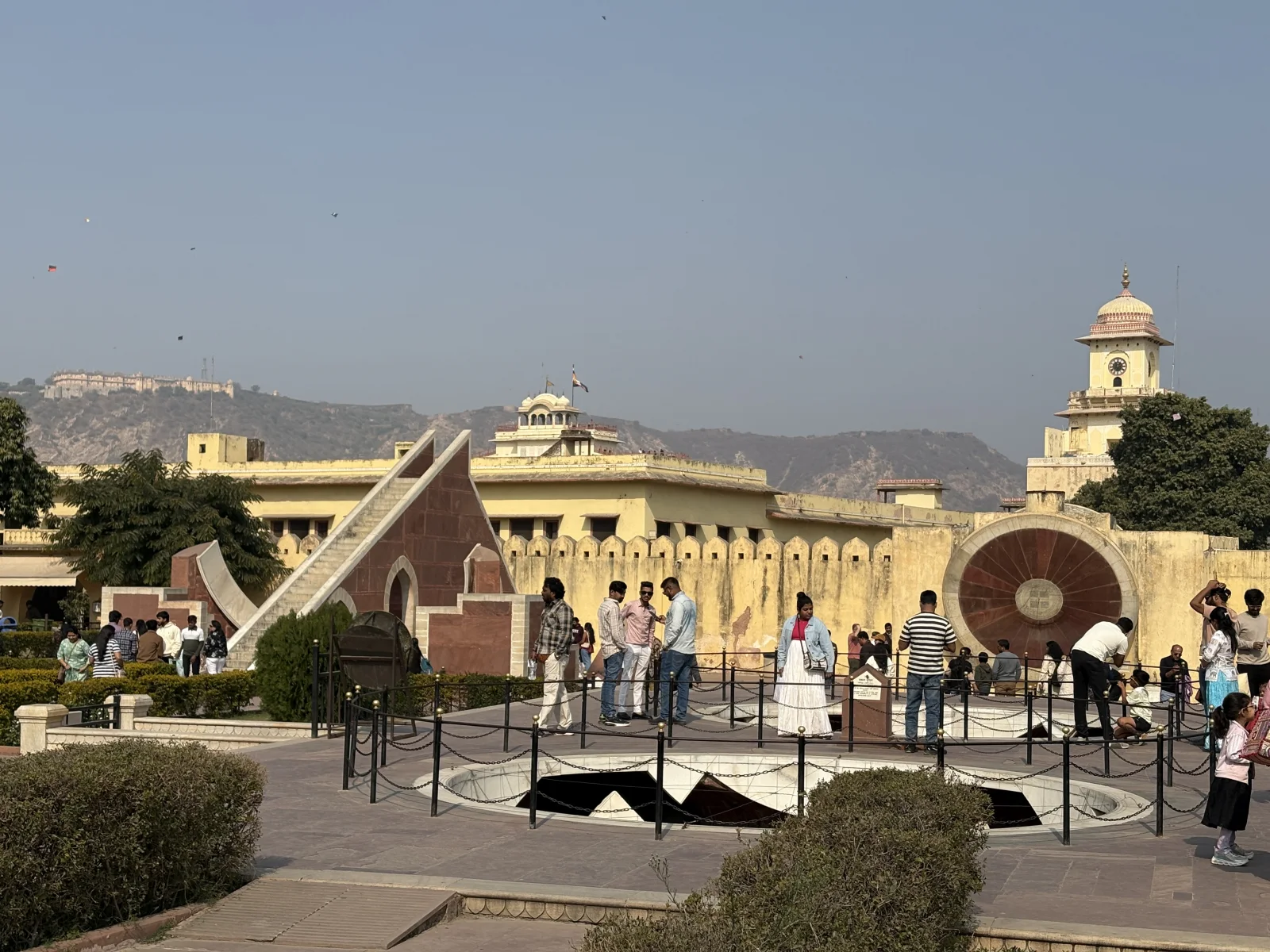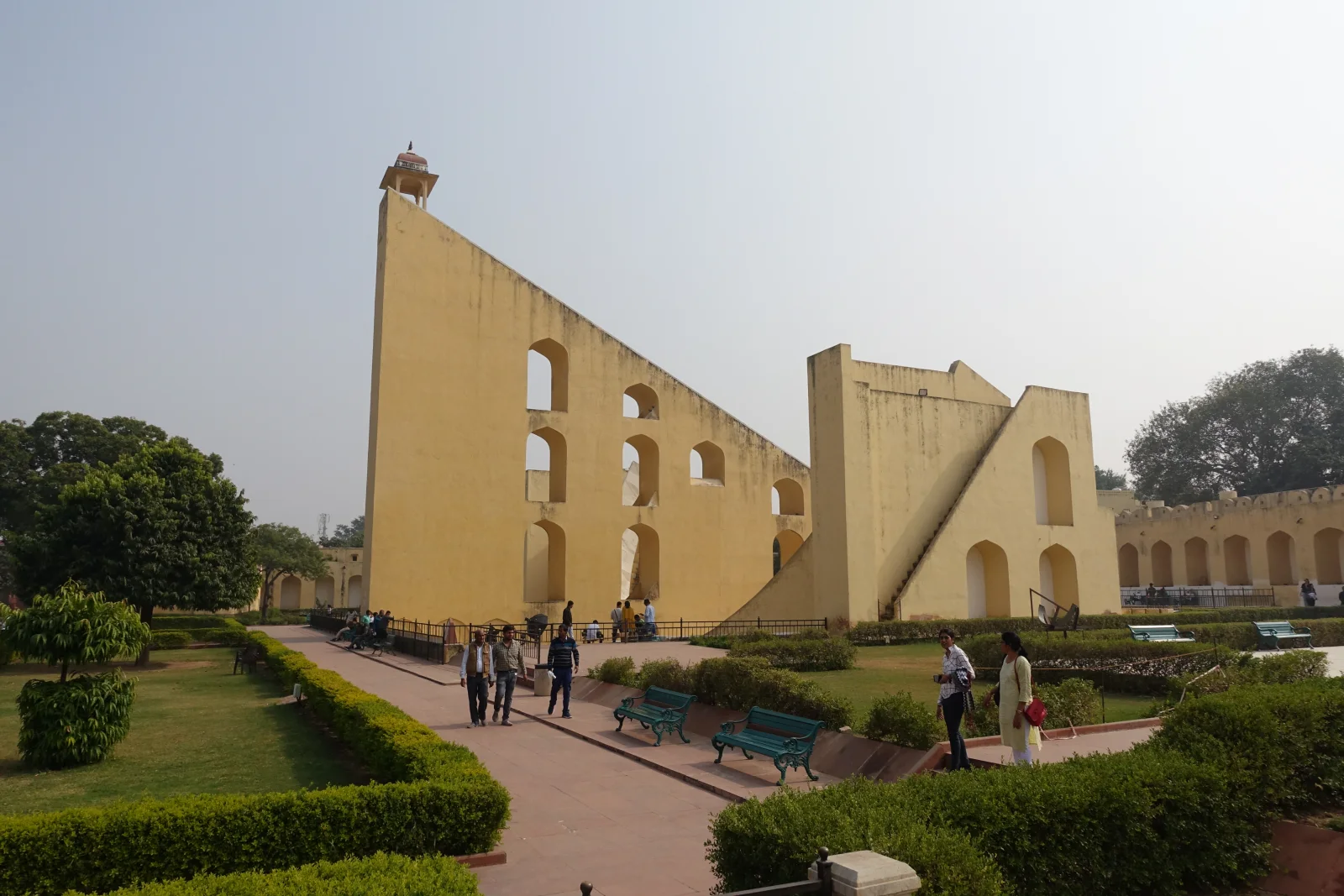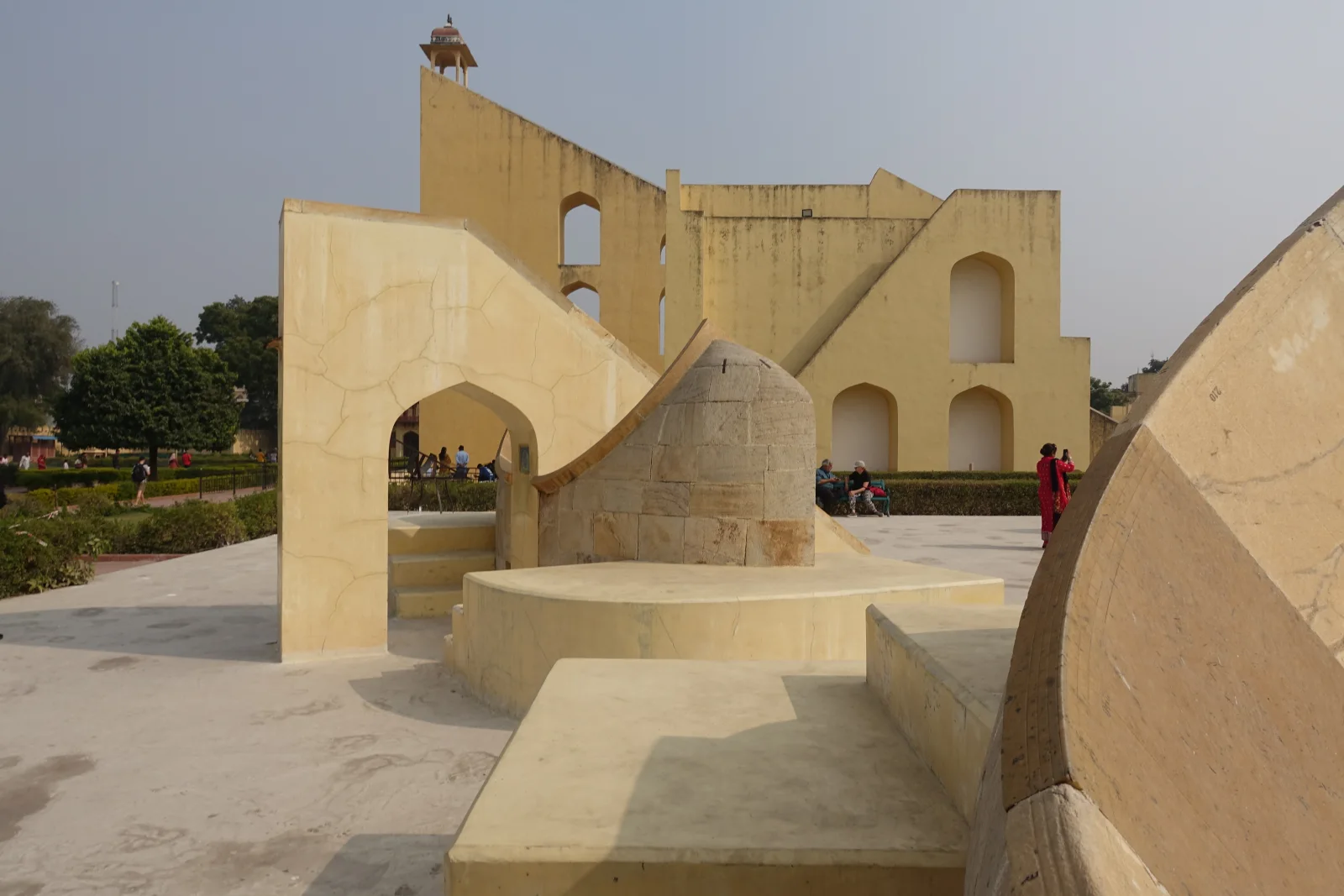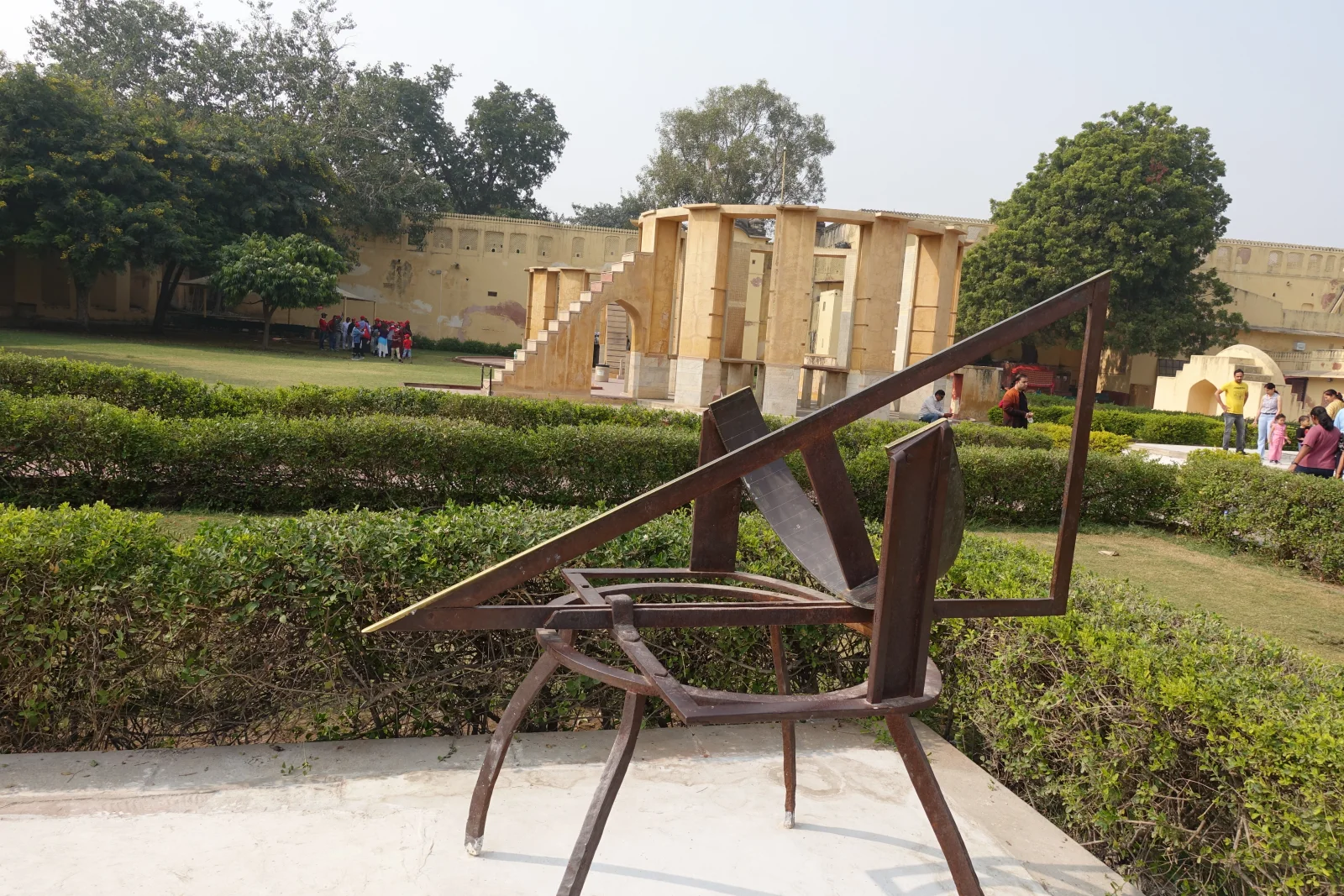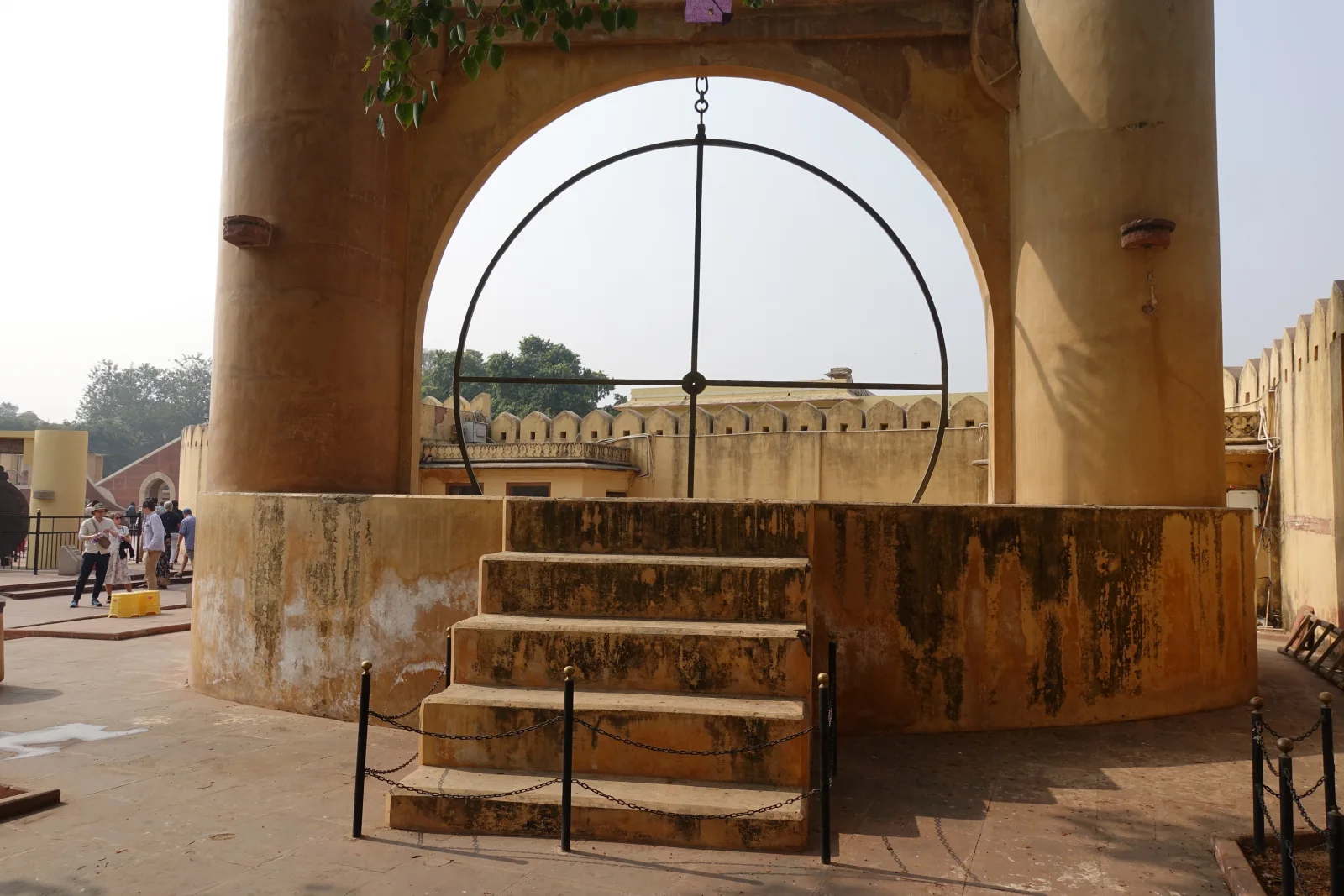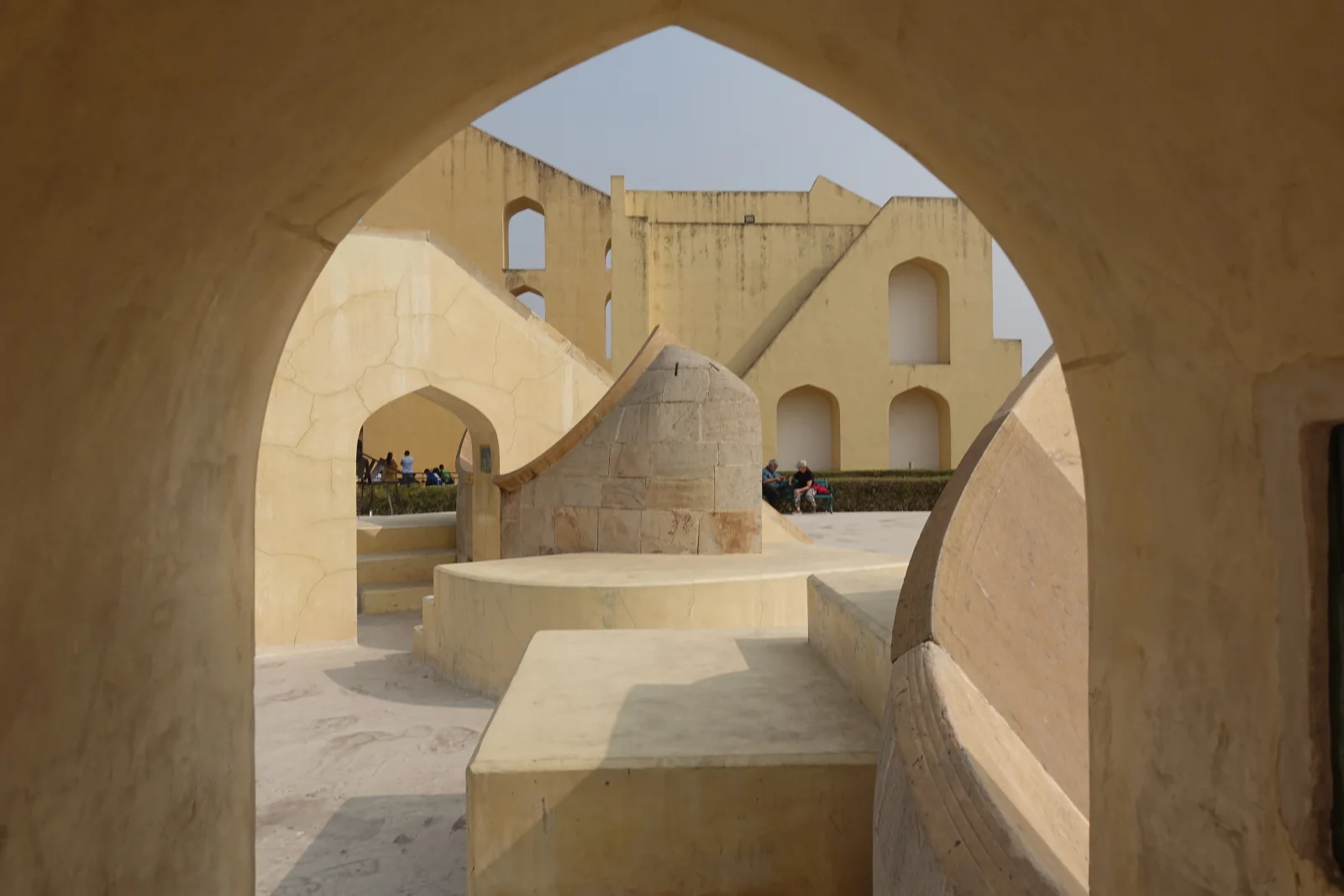
Jantar Mantar in Jaipur is a collection of giant astronomical instruments built in stone and marble. It was built by Maharaja Sawai Jai Singh II, the founder of Jaipur and a passionate astronomer, and completed in 1734. It is the largest and best preserved of the five observatories he built in India and has been a UNESCO World Heritage Site since 2010.
Why it was built:
Jai Singh wanted accurate measurements of time and of the positions of the sun, moon and planets – for calendars, for astrology and for science. Instead of small metal instruments he built them on a monumental scale, because larger instruments allowed more precise readings.
Main instruments:
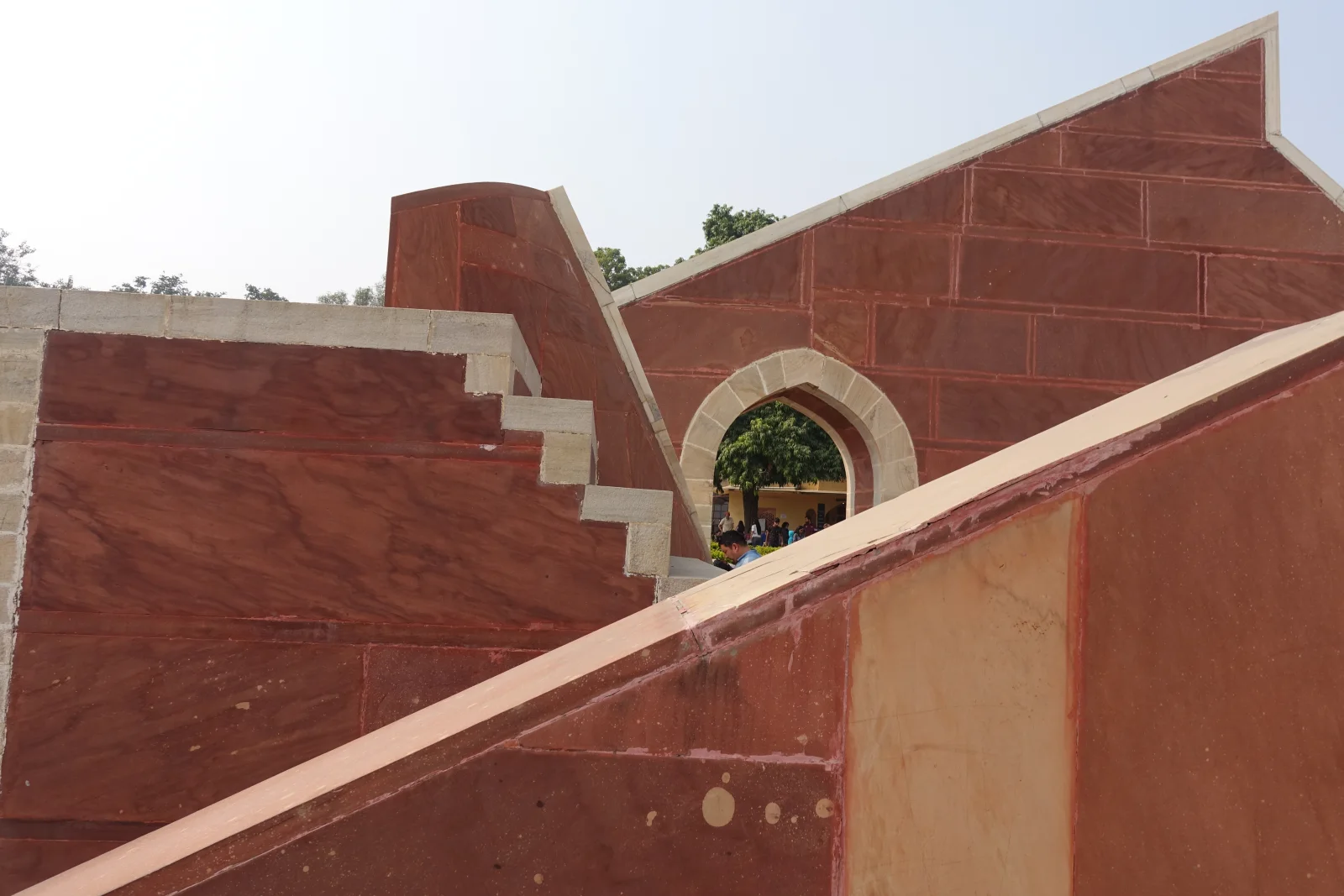
- Samrat Yantra – the "supreme instrument", a sundial about 27 metres high, the largest stone sundial in the world. Its shadow moves visibly and tells local time to about two seconds.
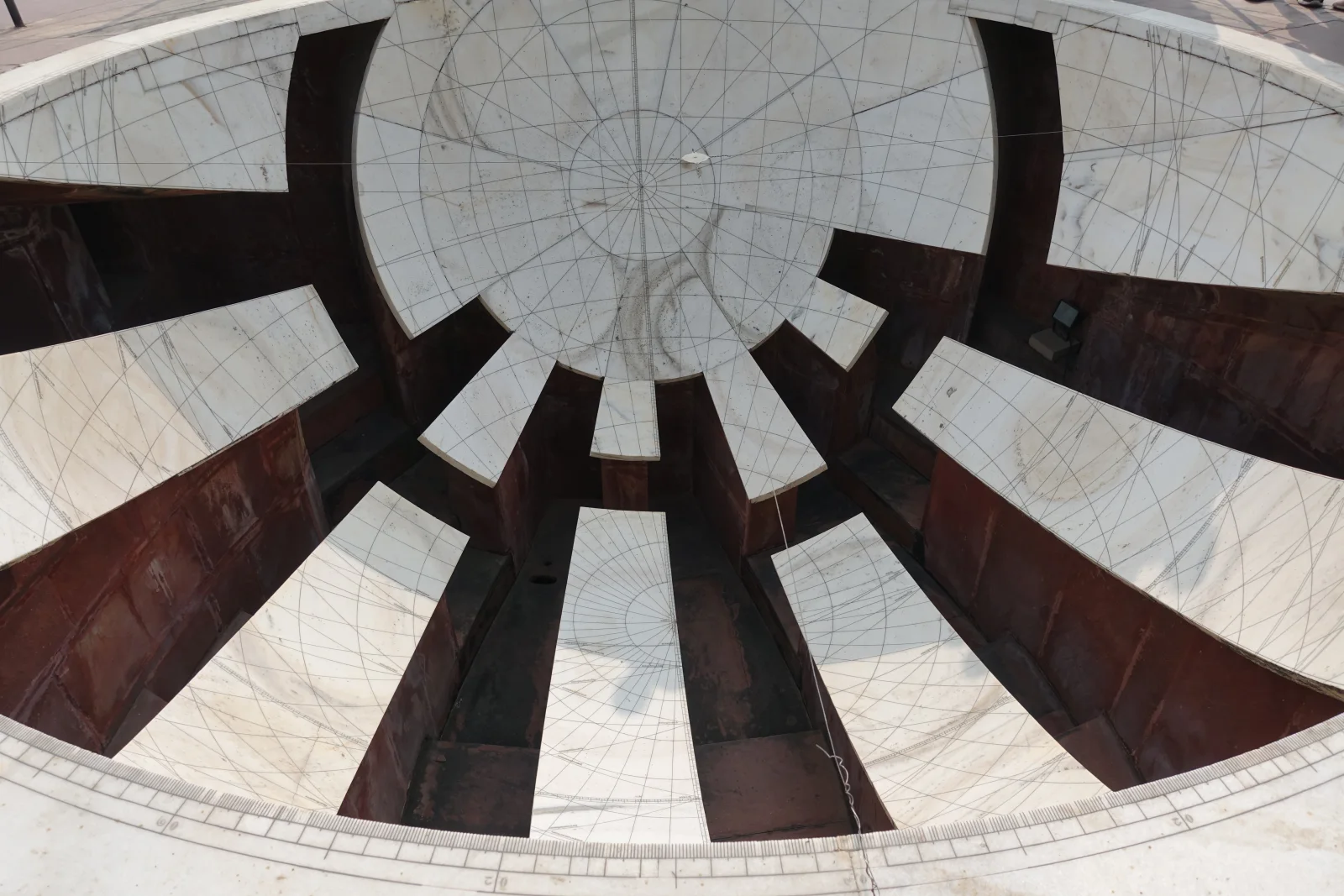
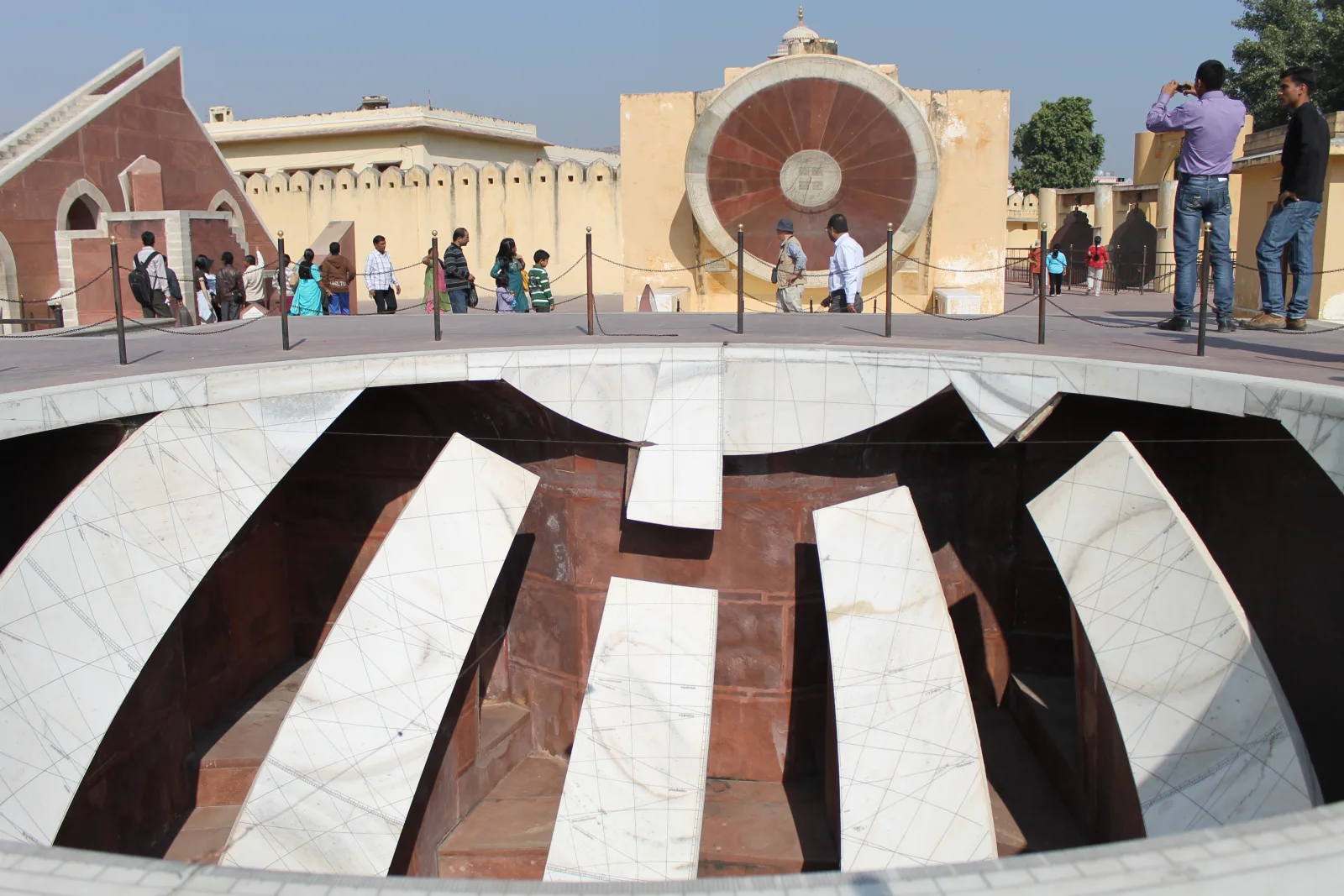
- Jai Prakash Yantra – two hollow hemispheres that map the sky and show the position of the sun.
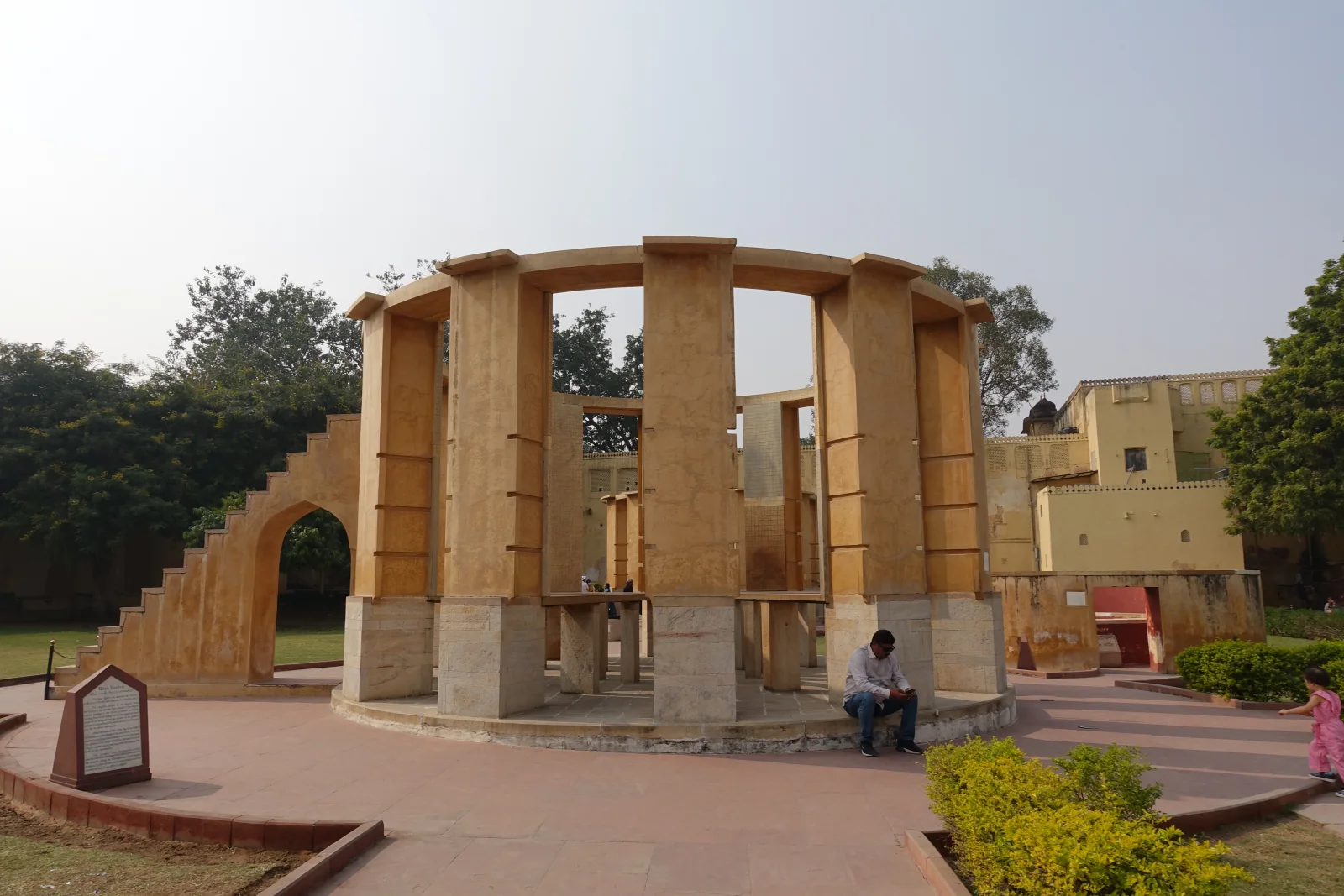
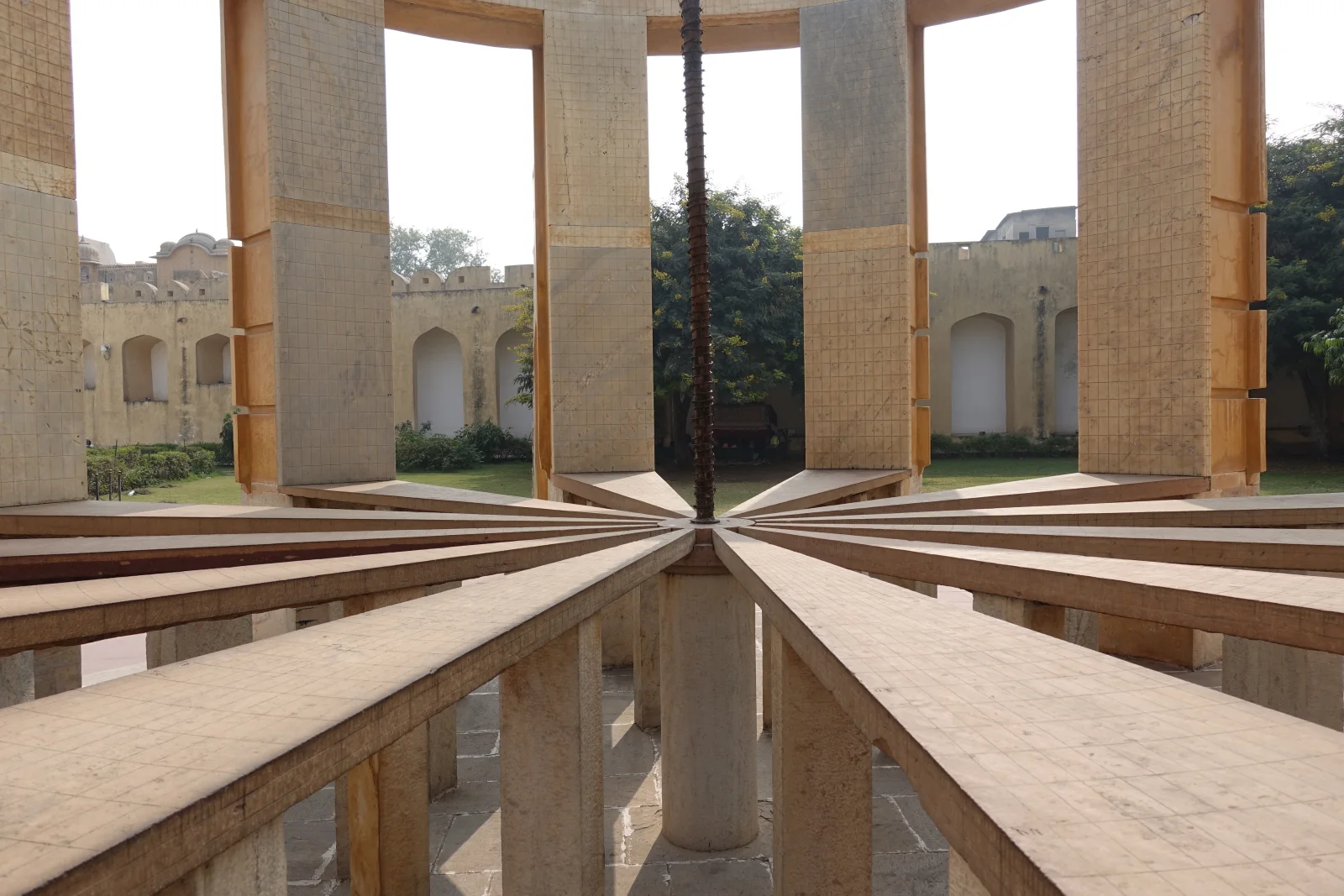
- Rama Yantra – cylindrical structures for measuring the altitude and direction of stars and planets.
- Rashi Valaya Yantra – twelve instruments, one for each sign of the zodiac.
Good to know:
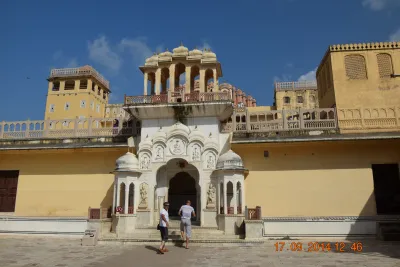
A local guide makes a big difference here, as the instruments are hard to understand on your own. Jantar Mantar is right next to the City Palace and a short walk from Hawa Mahal. Go on a sunny day to see the sundials at work.