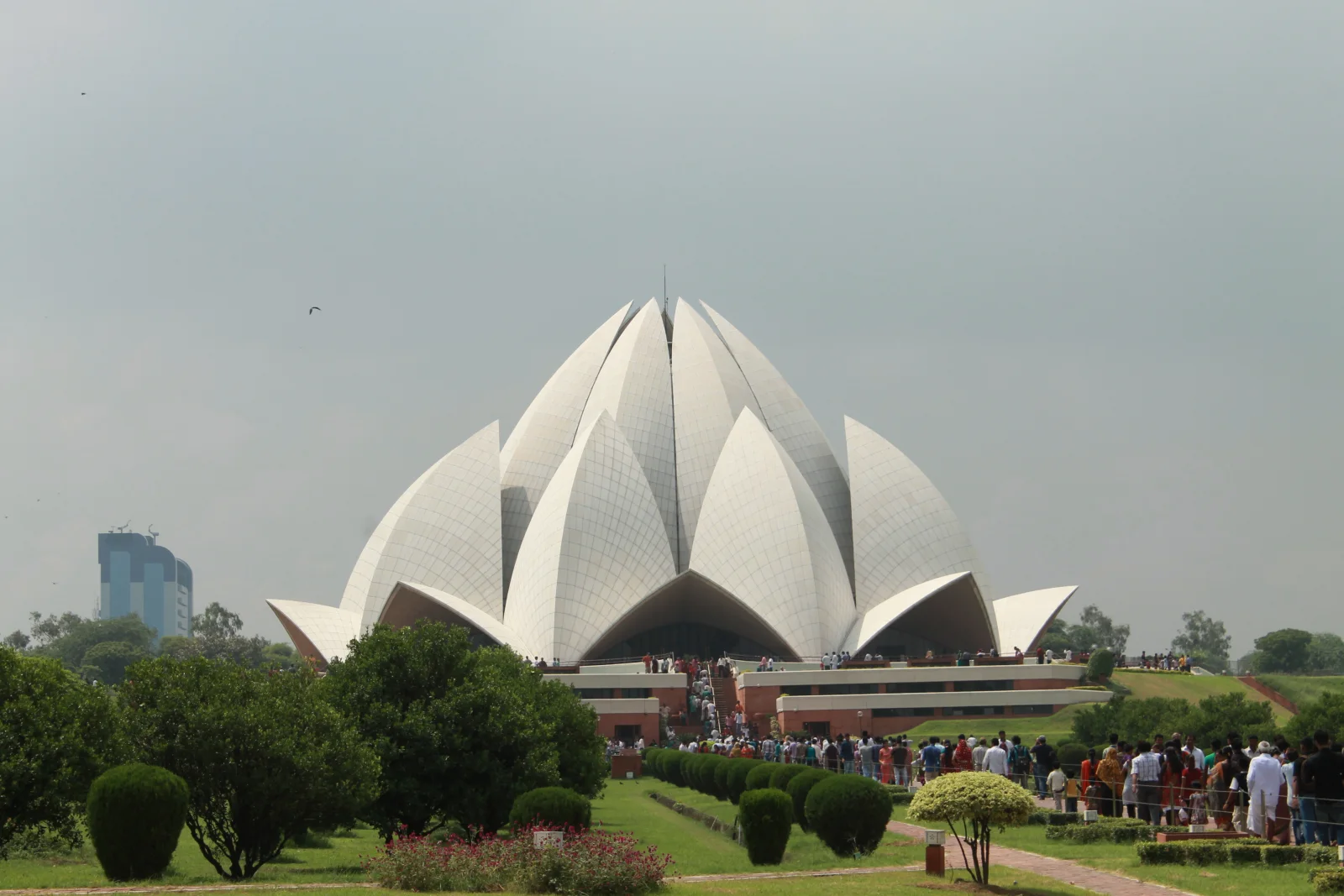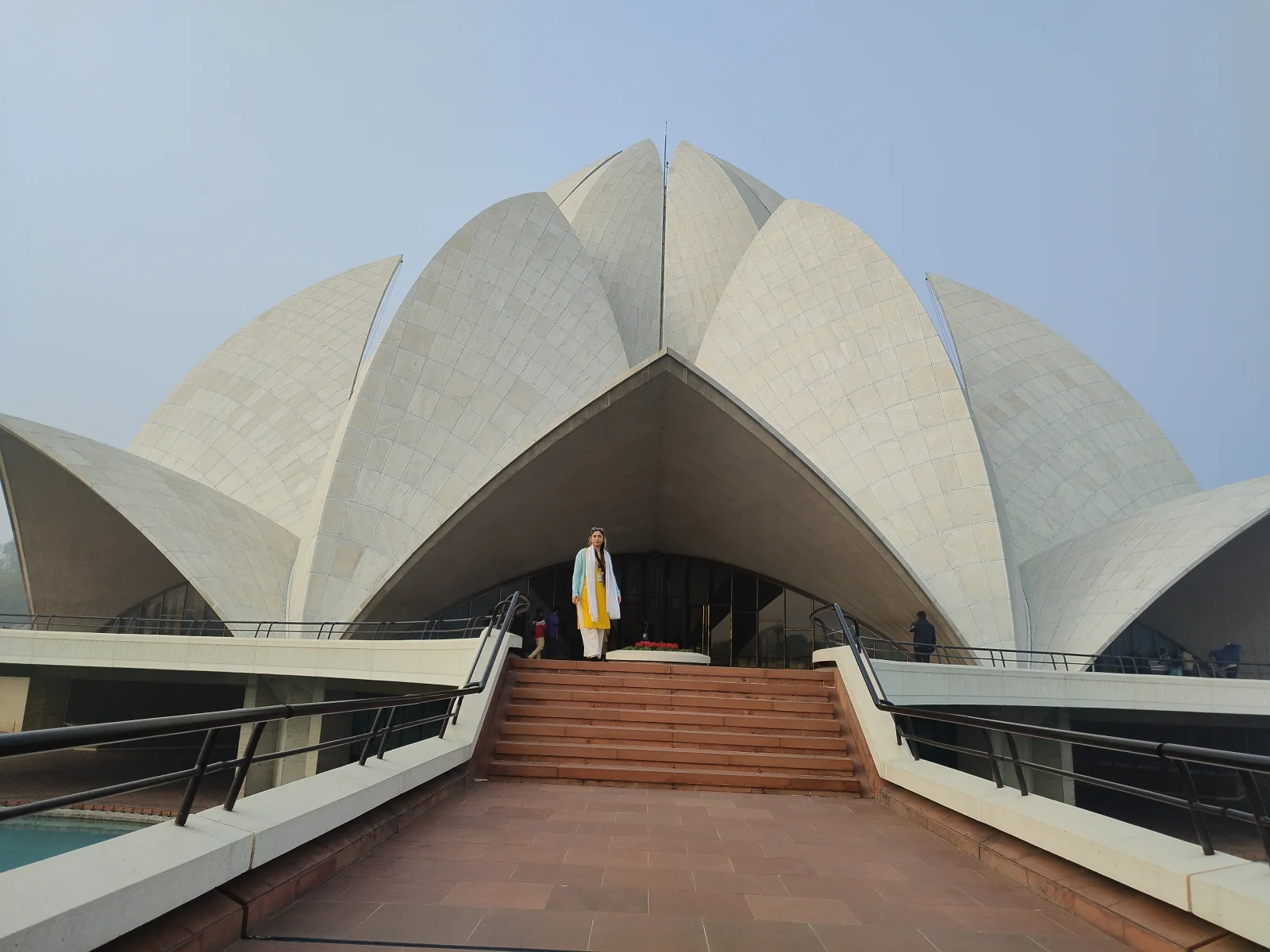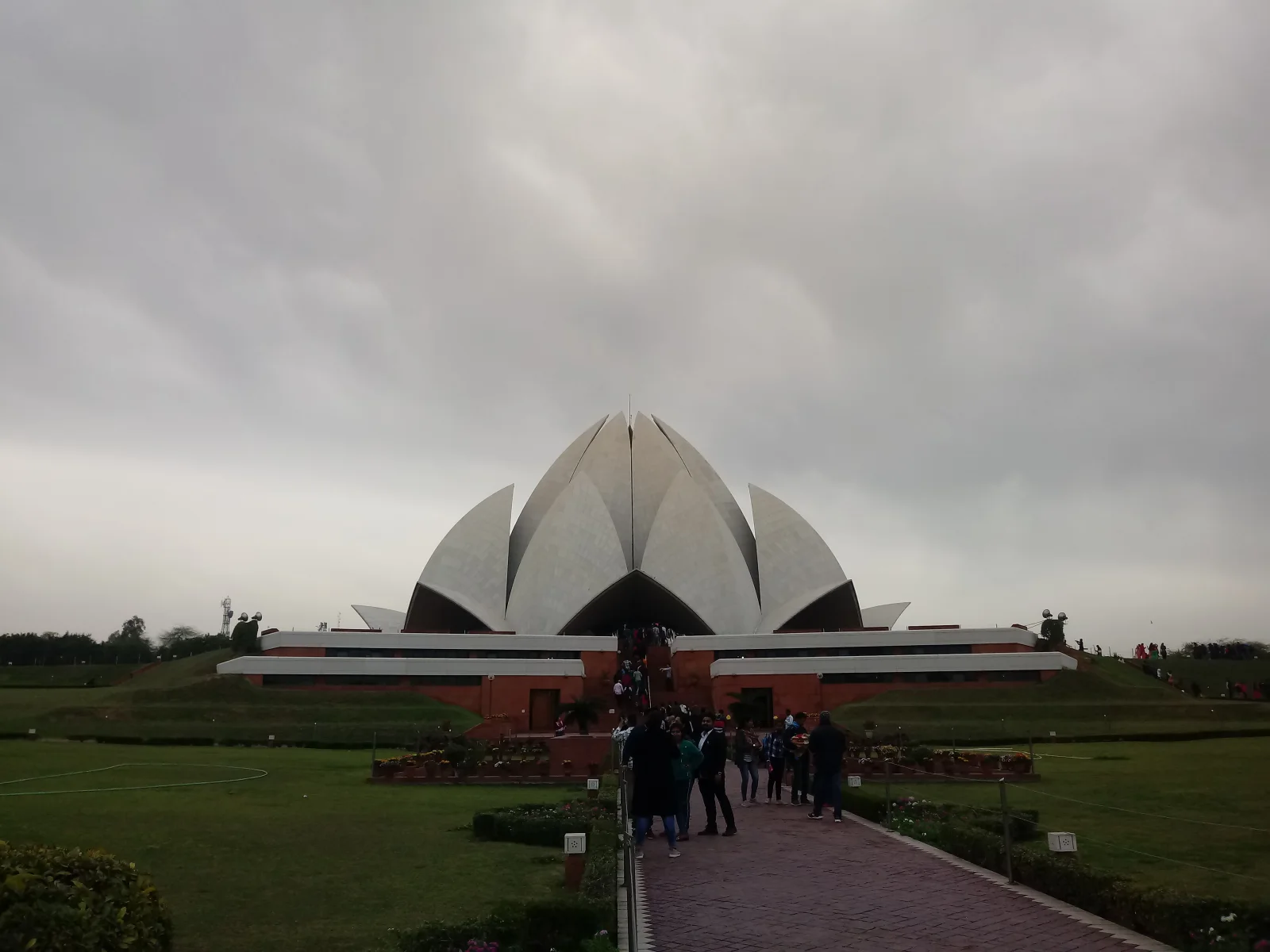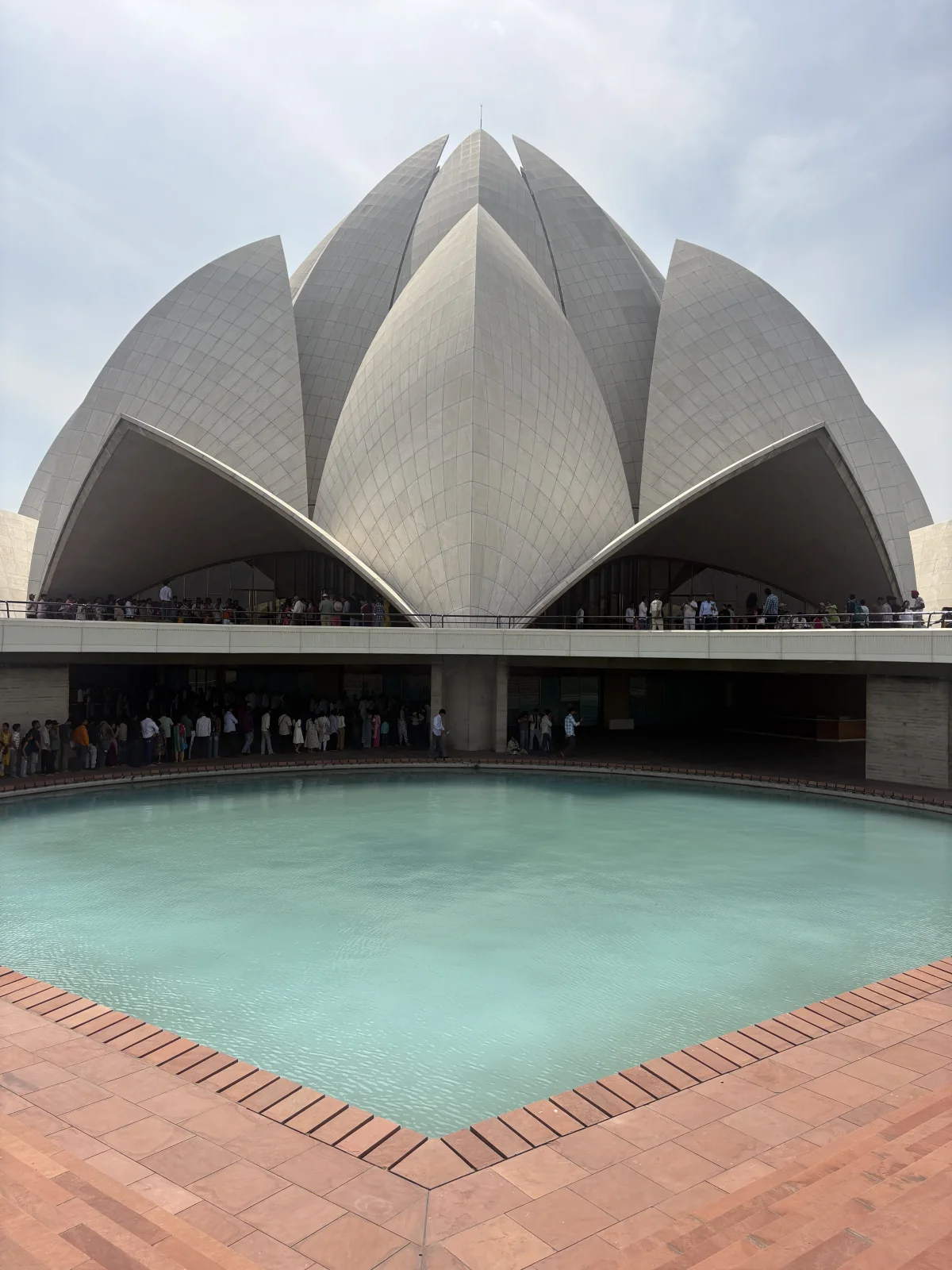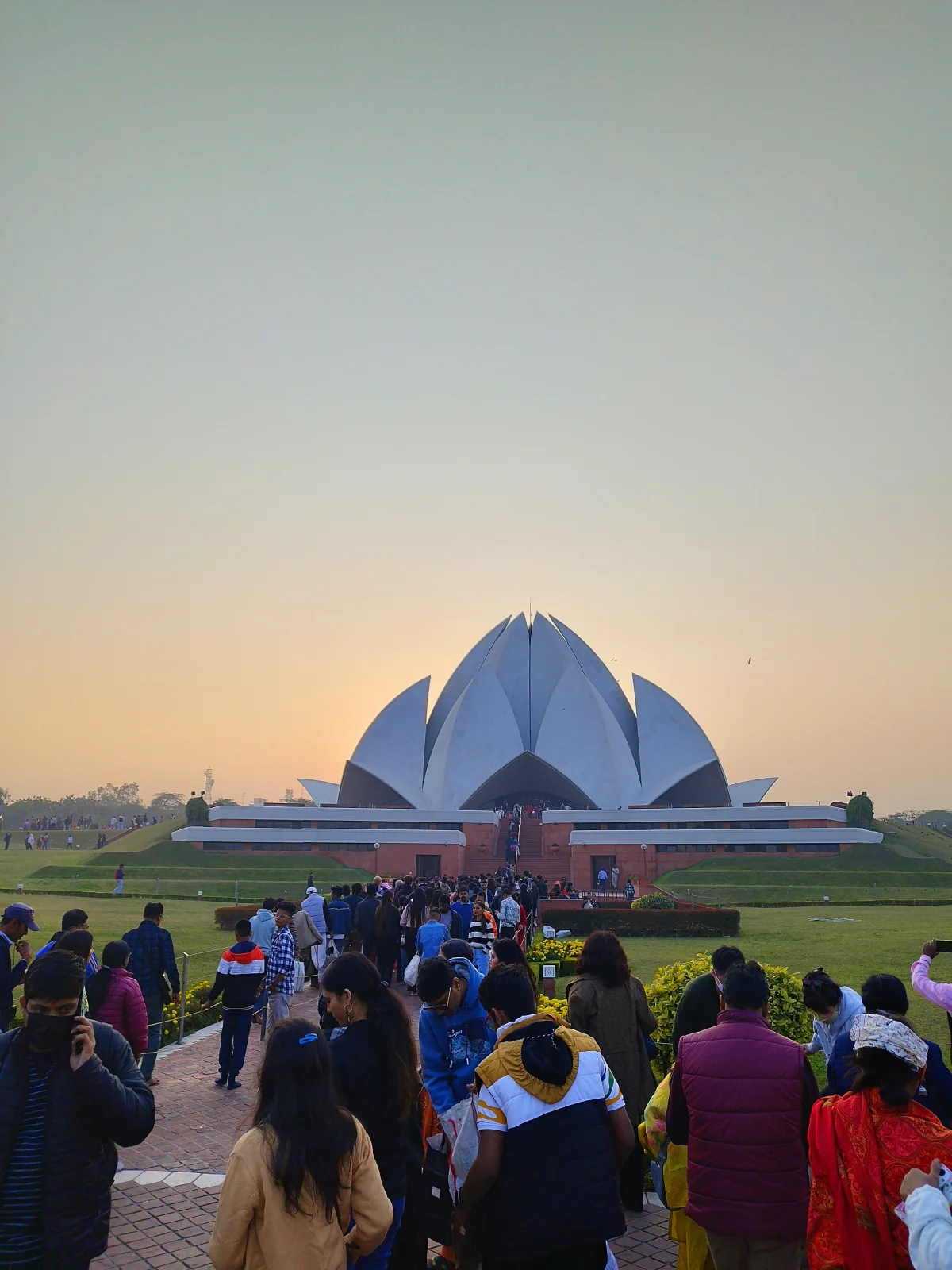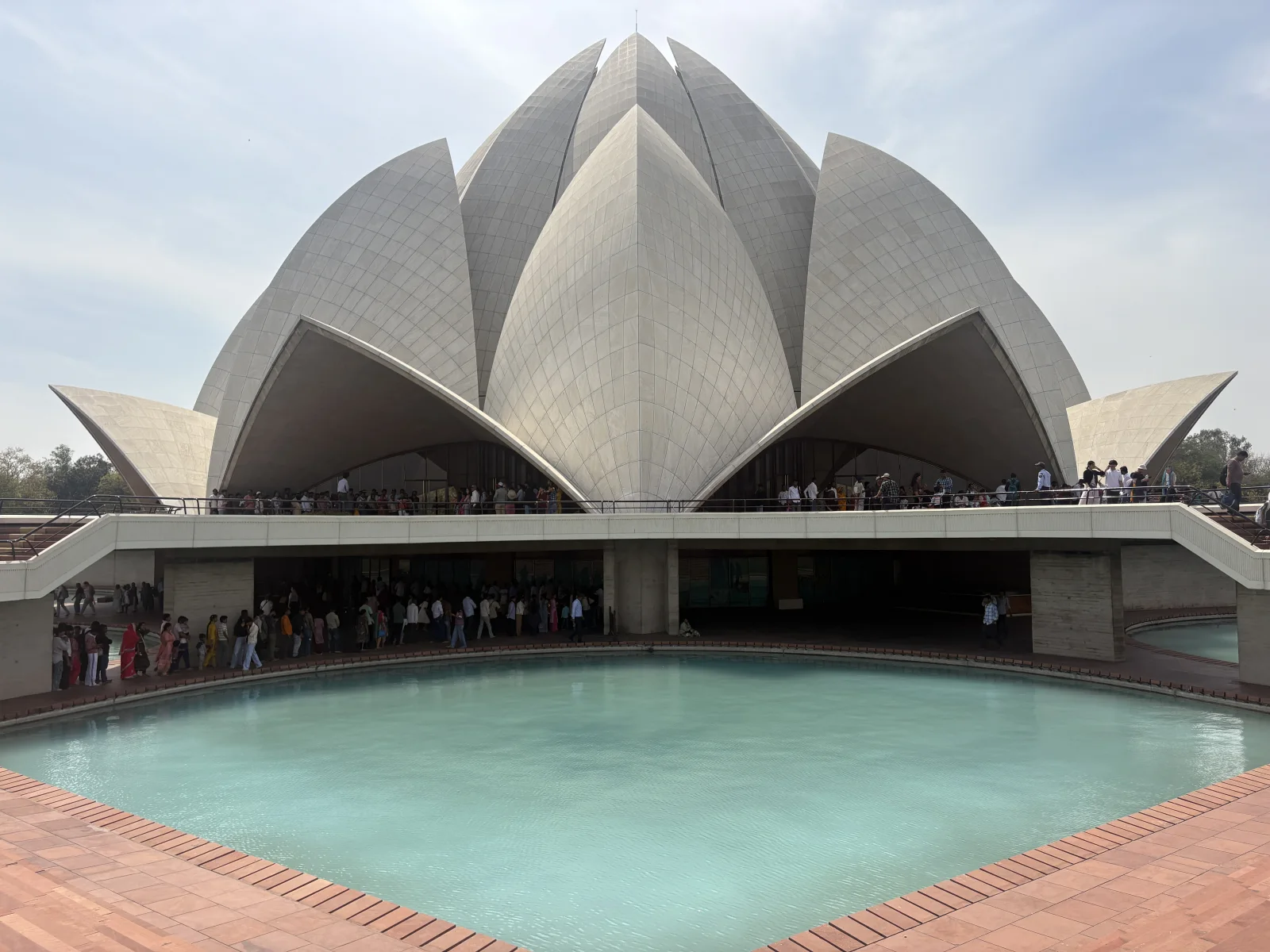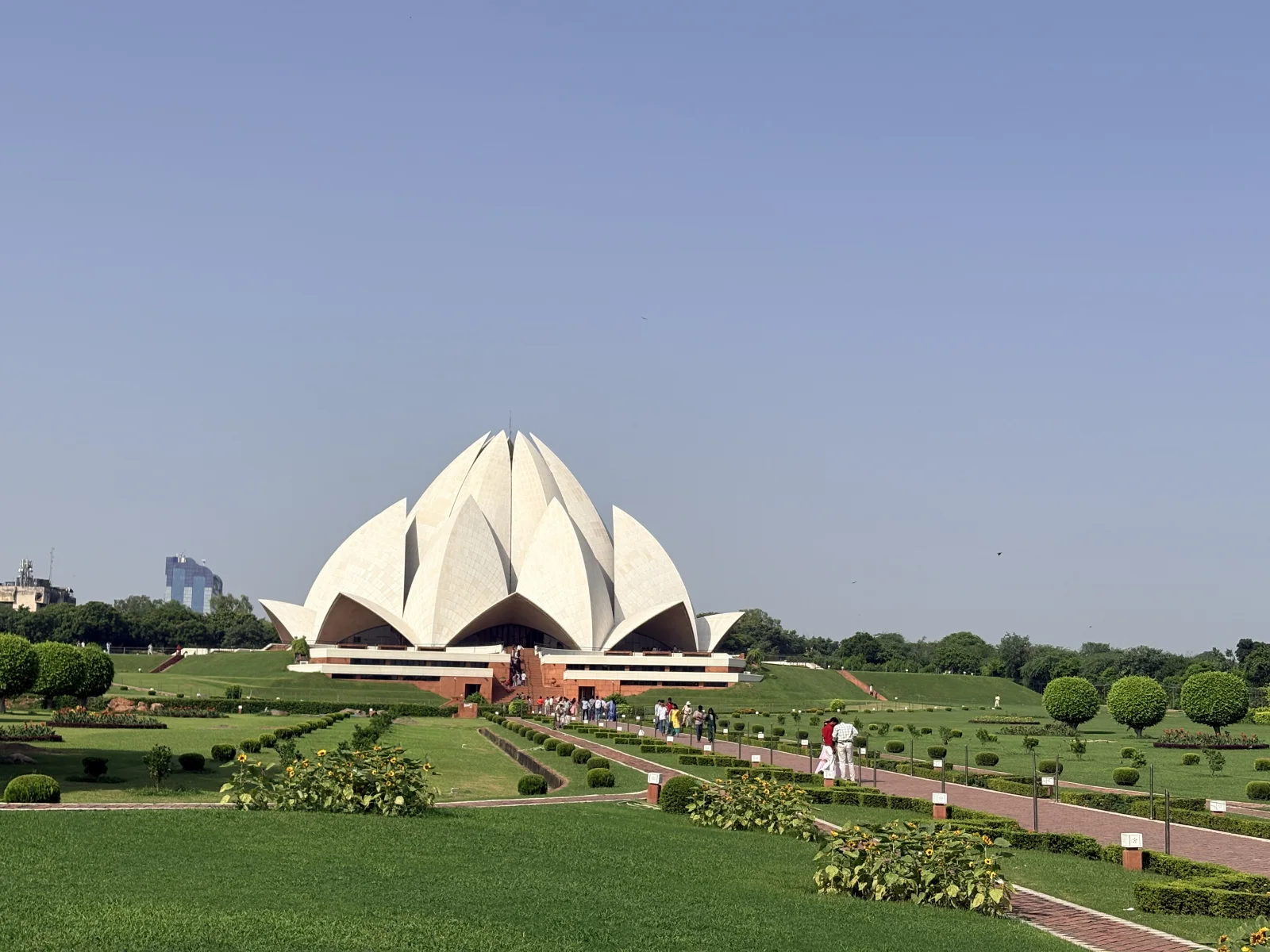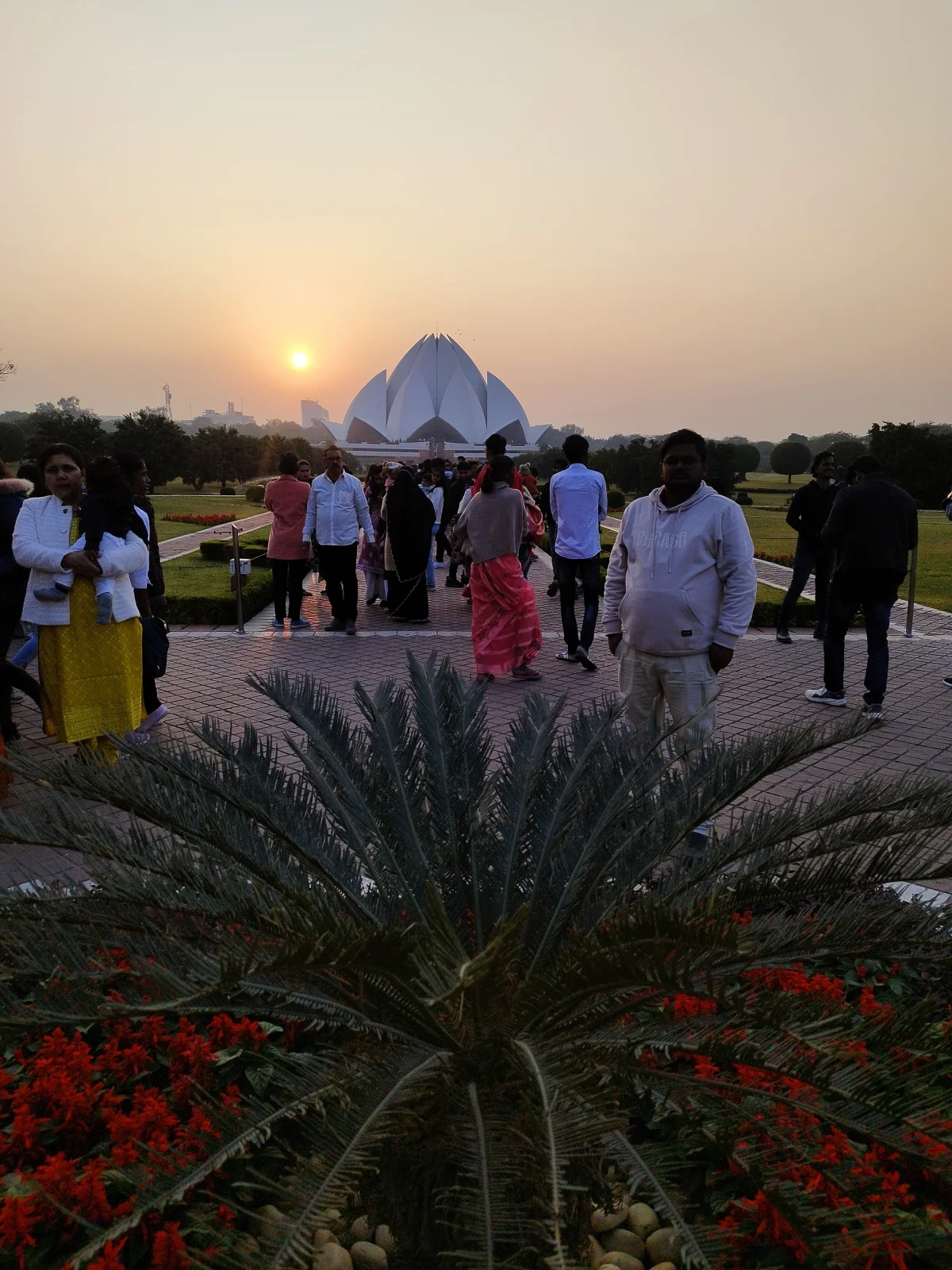
The Lotus Temple in South Delhi is the Bahá'í House of Worship for the Indian subcontinent and one of the most visited buildings in the city. Completed in 1986, it is famous for its shape: a white lotus flower half open, rising from nine pools of water and surrounded by gardens.
Architecture:
The temple was designed by the architect Fariborz Sahba. Its 27 free-standing "petals", clad in white marble, are arranged in groups of three to form nine sides – nine being an important number in the Bahá'í faith. The lotus was chosen because it is a symbol of purity shared by many religions of India. Inside, the hall rises without any columns and seats around 1,300 people.
A place for all faiths:
Like all Bahá'í Houses of Worship, the Lotus Temple is open to everyone, whatever their religion. There are no idols, sermons or rituals – visitors simply sit in silence, and short prayers or readings from different scriptures are held at set times during the day.
Good to know:
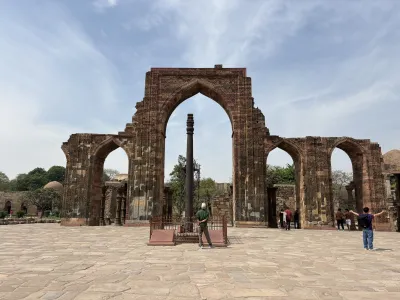
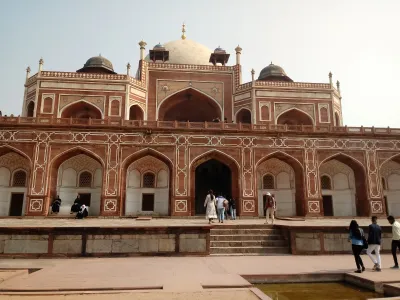
Entry is free. Shoes are left outside, and visitors are asked to keep silent inside the hall. The temple is usually closed on Mondays, so please check before planning your visit. In Delhi it combines well with Humayun's Tomb and Qutub Minar on a city tour.